

What Are the Types of Projecting Signs? A complete guide.
Projecting signs are an essential signage solution for businesses that want to increase visibility from a distance or attract foot traffic from multiple directions. Typically mounted perpendicular to a building facade, these signs extend outward to ensure they catch the eye of passersby. They are especially effective in busy urban environments, along high streets, and in retail, hospitality, and office settings.
Understanding the different types of projecting signs can help you choose the best format to align with your brand, location, and practical needs.
What is a Projecting Sign?
Let’s start with the basics. Projecting signs are fixed perpendicular to a building’s facade, making them visible from both sides as people walk past. Unlike flat signage that faces forward, these signs stand out, literally, making them ideal for catching attention in busy pedestrian areas. Whether illuminated or not, traditional or modern, they help businesses stand out from the side rather than relying on a direct front-facing view. That’s what makes them such a popular choice across high streets, office buildings, and city centres.
Types of Projecting Signs
Once you’ve decided that a projecting sign is right for your business, the next step is choosing the right format. Projecting signs come in a range of materials, shapes, and lighting options, each offering a different visual impact and level of durability. From classic hanging signs to contemporary illuminated trays, your choice will depend on the look you want to achieve, your location, and practical considerations like planning permission or maintenance. Let’s take a closer look at the most common types used today.
Projecting Hanging Signs
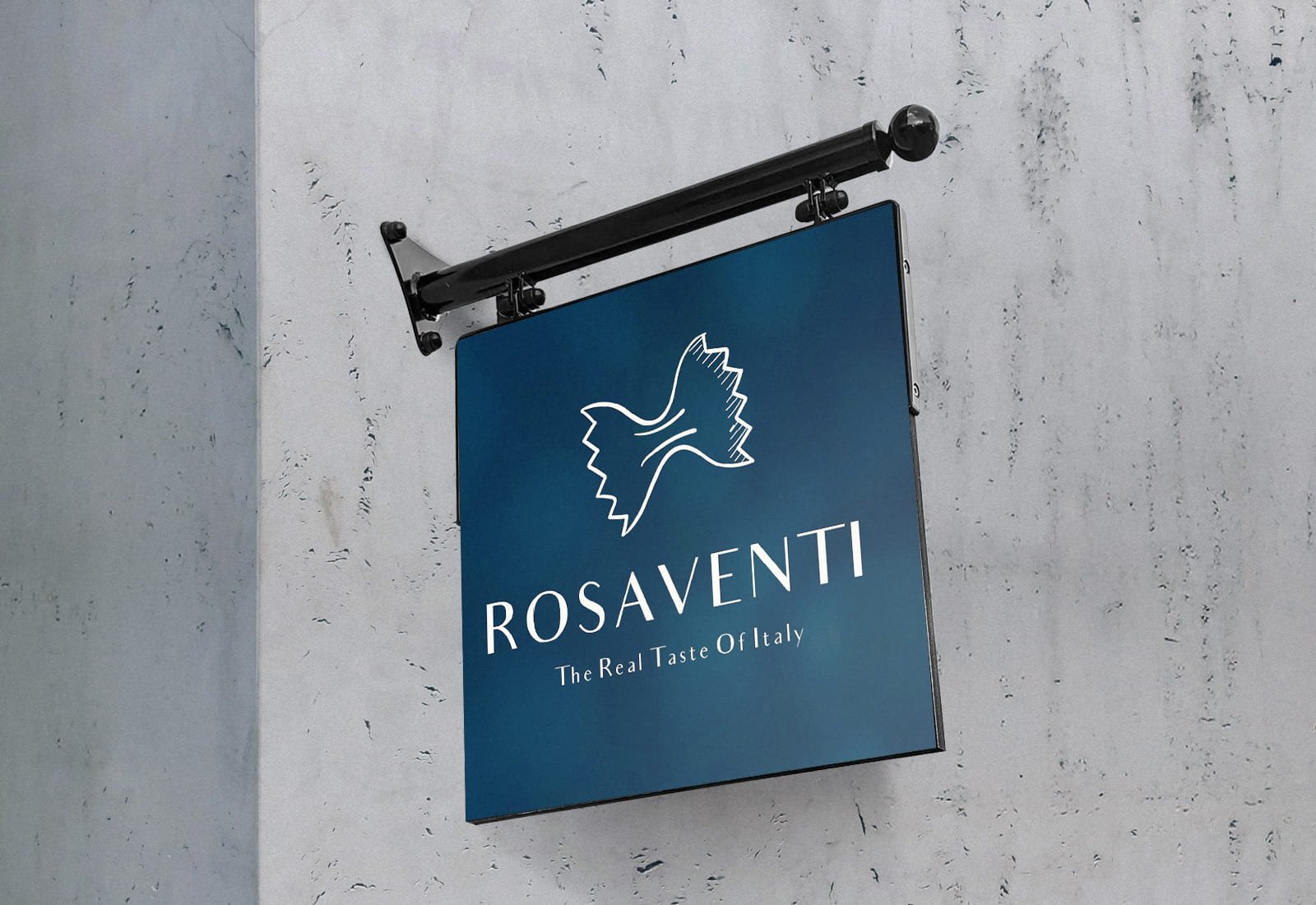
One of the most traditional styles, projecting hanging signs consist of a welded arm or bracket that extends from the building, from which a panel is suspended by chains, carabiner links, or rods. This design allows the sign to move slightly with the wind, creating a classic, dynamic look.
Key features:
Typically used for boutiques, pubs, and heritage-style shops
Movement creates visual interest
Best for low-wind areas or sheltered locations
Hanging signs can be single or double-sided and often acrylic or aluminium panels for durability and finish.
Projecting Signs with Welded Frame
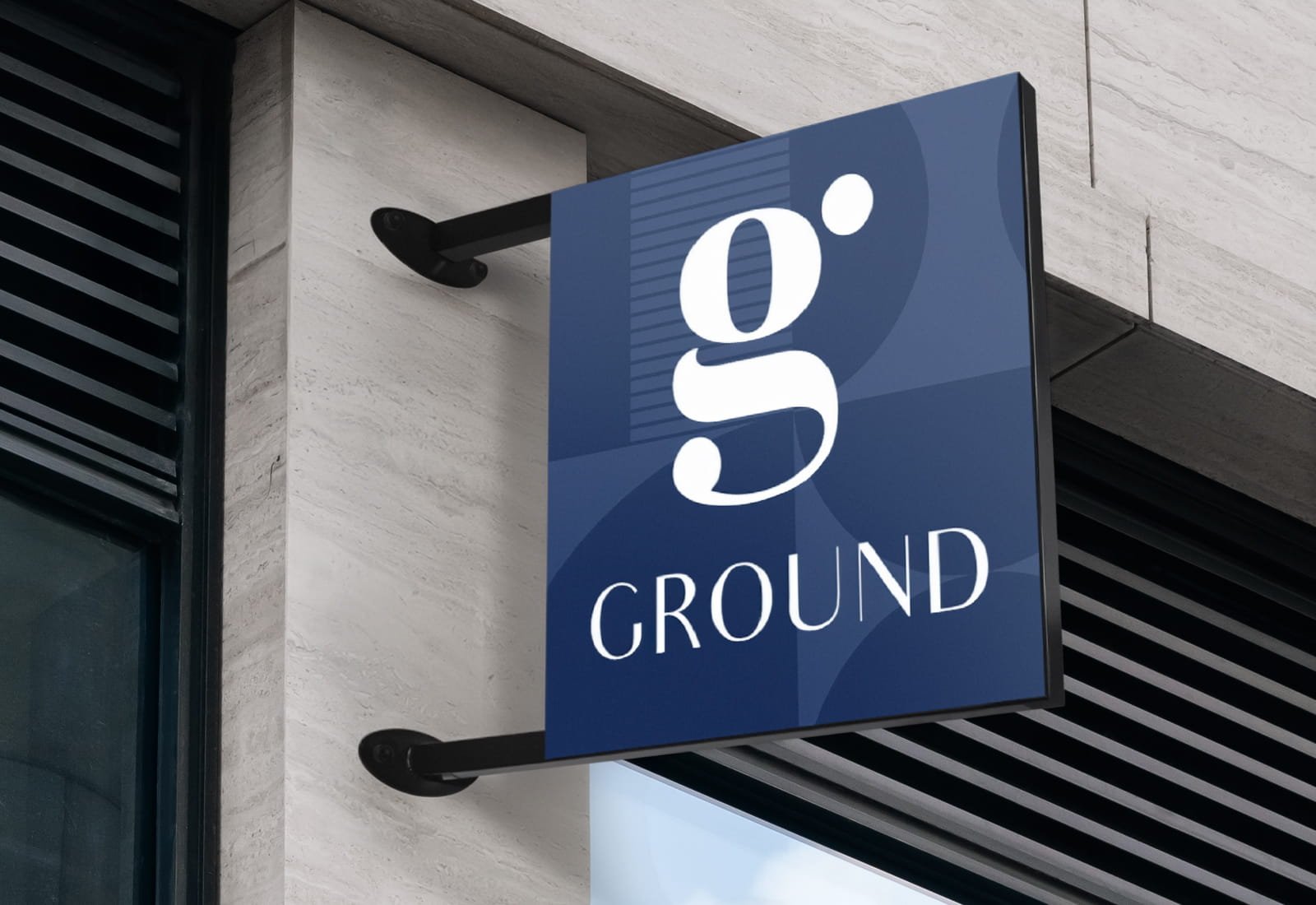
This format includes a welded metal frame, typically rectangular or square, which holds two aluminium composite panels mounted back to back. The panels can display the same or different graphics on each side.
Benefits:
Cost-effective and durable
Clean appearance
Suitable for most retail and commercial settings
Welded frame signs are commonly powder-coated to match a brand's colour scheme and offer strong resistance to weathering.
Projecting Tray Signs
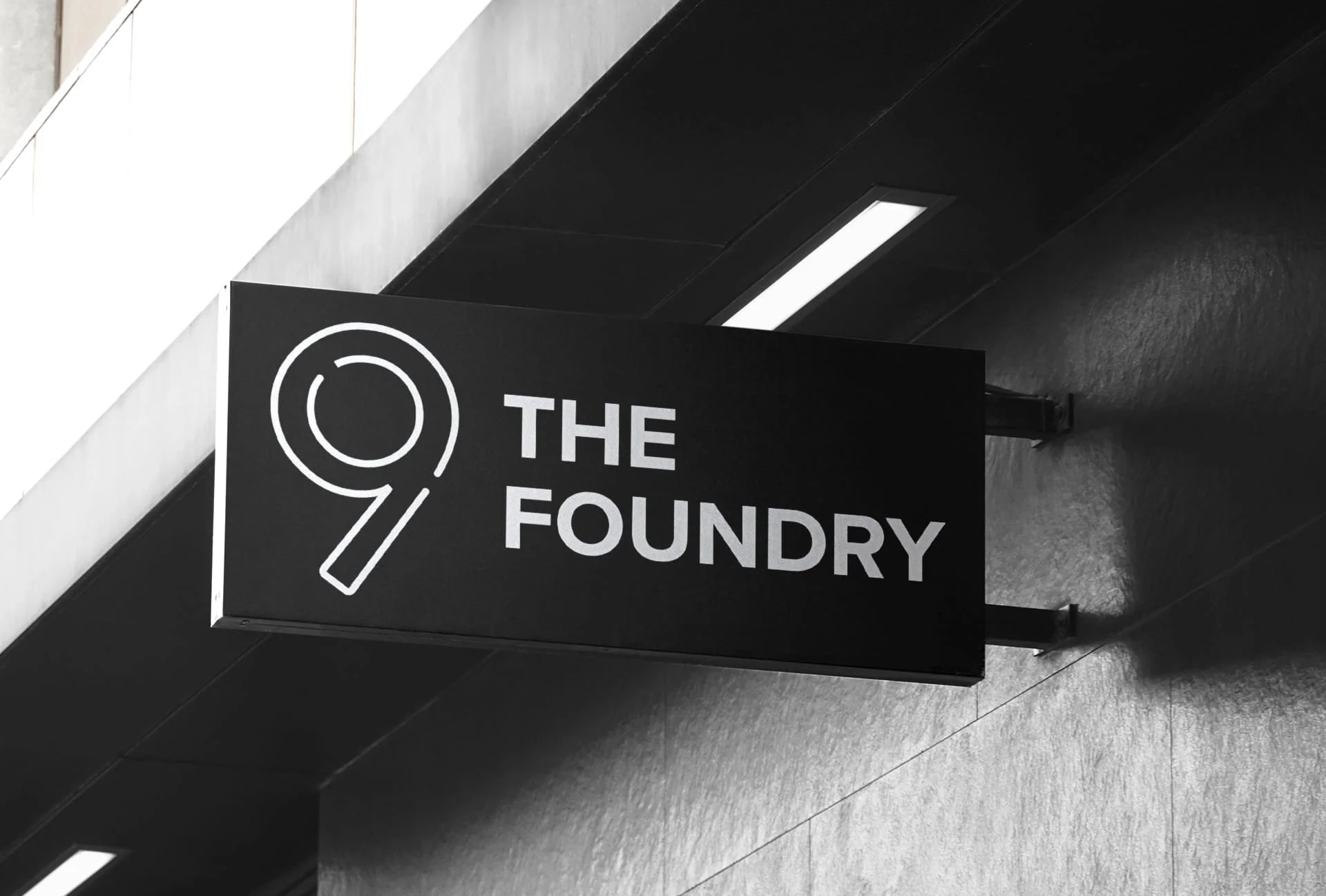
Projecting tray signs are constructed using two folded aluminium trays, mounted back to back and fixed to a central bracket or steel frame. The folded edges create a seamless, monolithic appearance, which is ideal for modern branding.
Highlights:
Concealed fixings
Strong visual presence
Ideal for mid-to-high street retail
These signs are perfect for businesses that want a clean, bold look without visible bolts or screws.
Projecting Fret Cut Signs
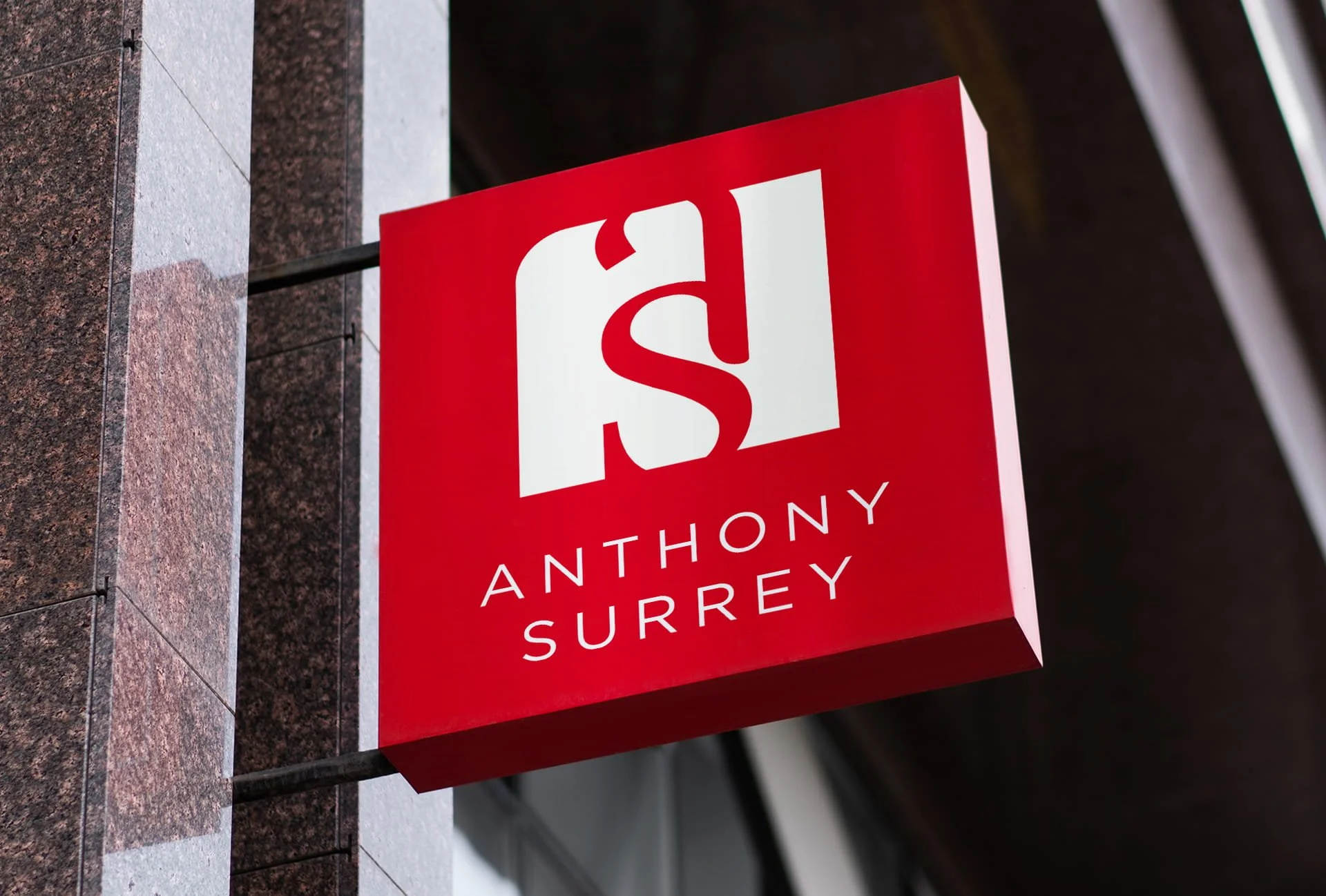
Fret cut signs are one of the more advanced options, featuring cut-out lettering or logos on one or both trays, with internal LED illumination. This allows the light to shine through the cut-outs, offering an elegant and professional glow, particularly at night.
Advantages:
High-impact, premium appearance
Customisable illumination (white or RGB)
Excellent for businesses operating after dark
They require internal space within the sign to house lighting and wiring components, making construction and installation slightly more complex.
Projecting Lightbox Signs
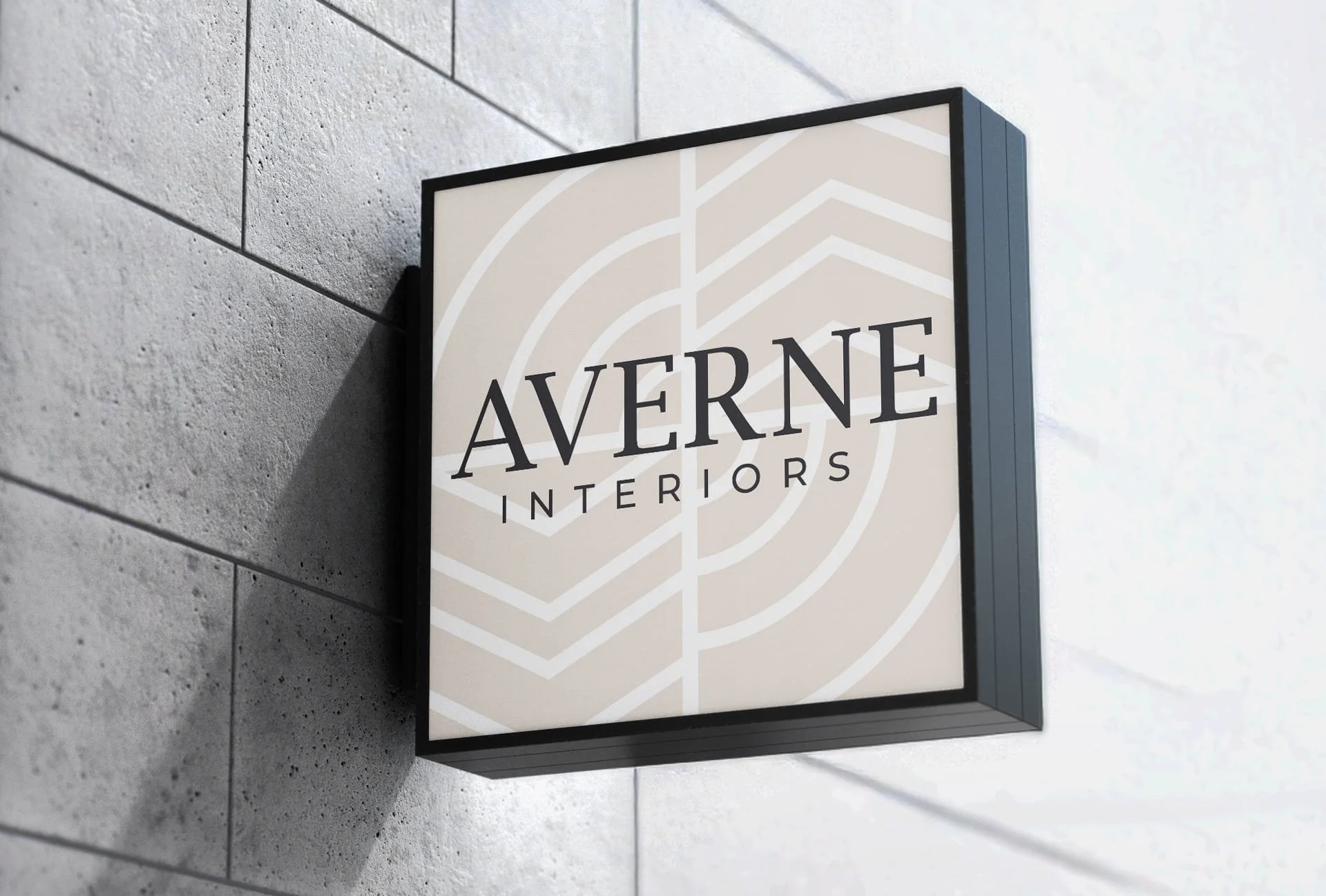
Lightbox signs are internally illuminated, either with fluorescent tubes (less common) or LEDs, and typically feature a translucent panel with printed graphics or vinyl lettering. These signs are highly effective in attracting attention, especially in areas with high foot traffic during the evening.
Pros:
Visible day and night
Easy to update vinyl graphics
Affordable lighting solution
These are often used in fast food, salons, or convenience stores where visibility is key.
Projecting Frameless Acrylic Lightboxes
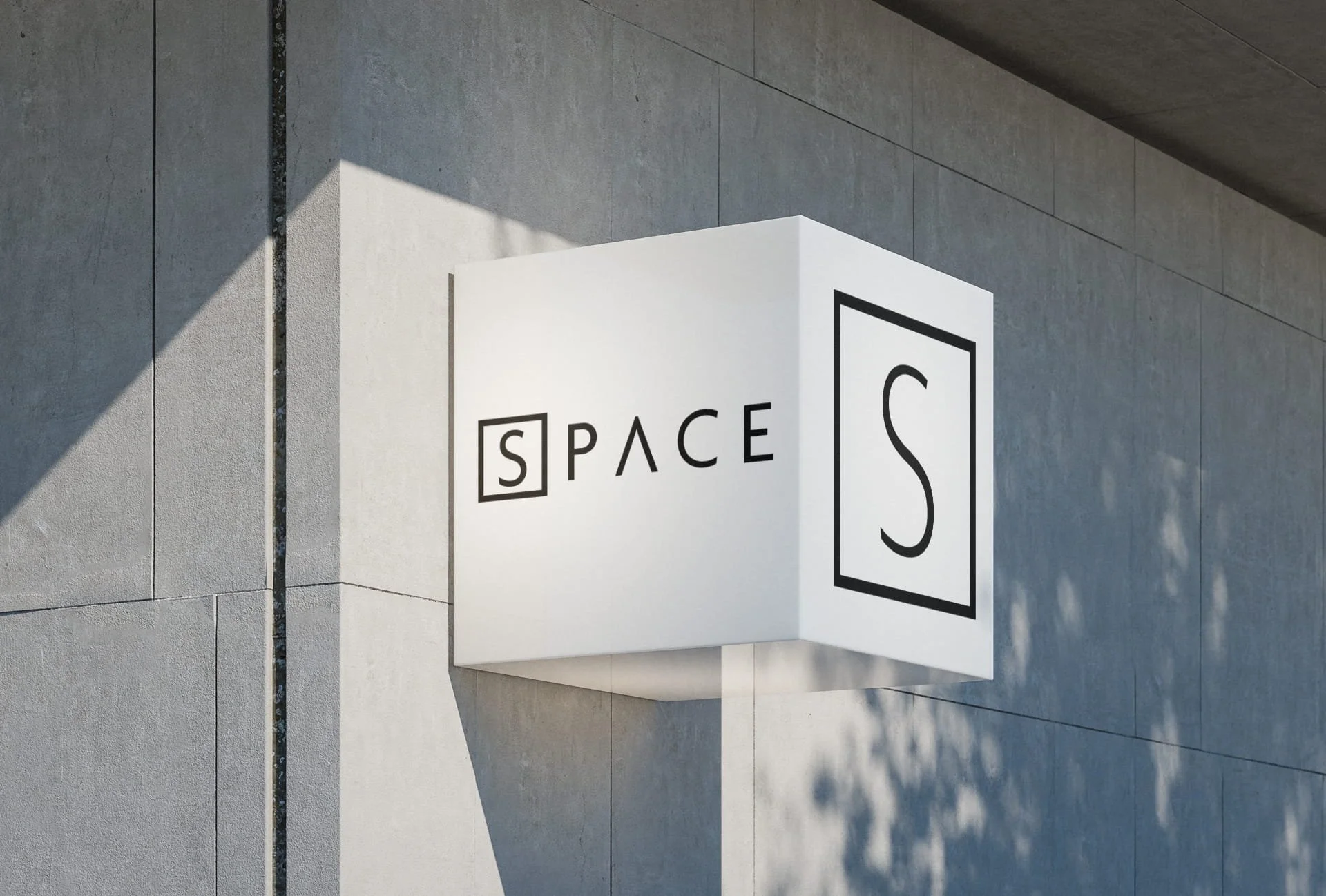
Frameless acrylic lightboxes offer a contemporary alternative to standard lightbox signs. These are made from a continuous sheet of opal acrylic that is edge-lit, allowing 360-degree illumination without visible borders.
Features:
Clean, minimal appearance
Sophisticated edge glow
Often laser-cut or CNC-machined for precision
They are ideal for businesses looking for a high-end appearance with consistent illumination on all sides. They can also be used as a great wayfinding solution in modern reception areas, workspaces or retail buildings.
Wooden Projecting Signs
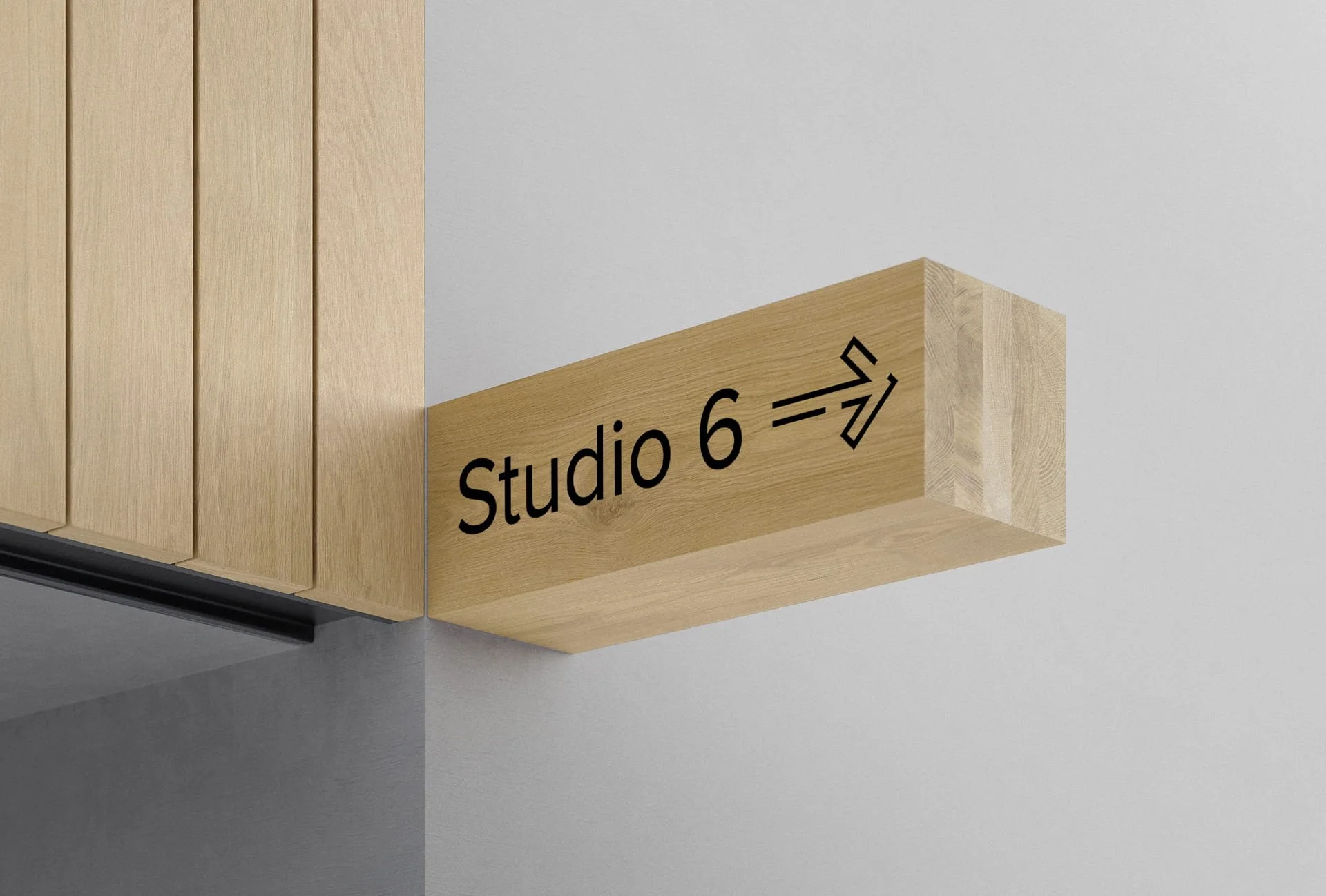
Crafted from solid wood or engineered wood like CLT (cross-laminated timber), these signs bring warmth and authenticity to the facade. They are ideal for artisan retailers, wellness spaces, cafes, and hospitality settings that value natural materials.
Attributes:
Eco-conscious branding
Available in various finishes: stained, painted, oiled
Compatible with engraved, painted, or mounted lettering
When paired with subtle lighting, wooden projecting signs offer a timeless, tactile look.
Flange Projecting Signs
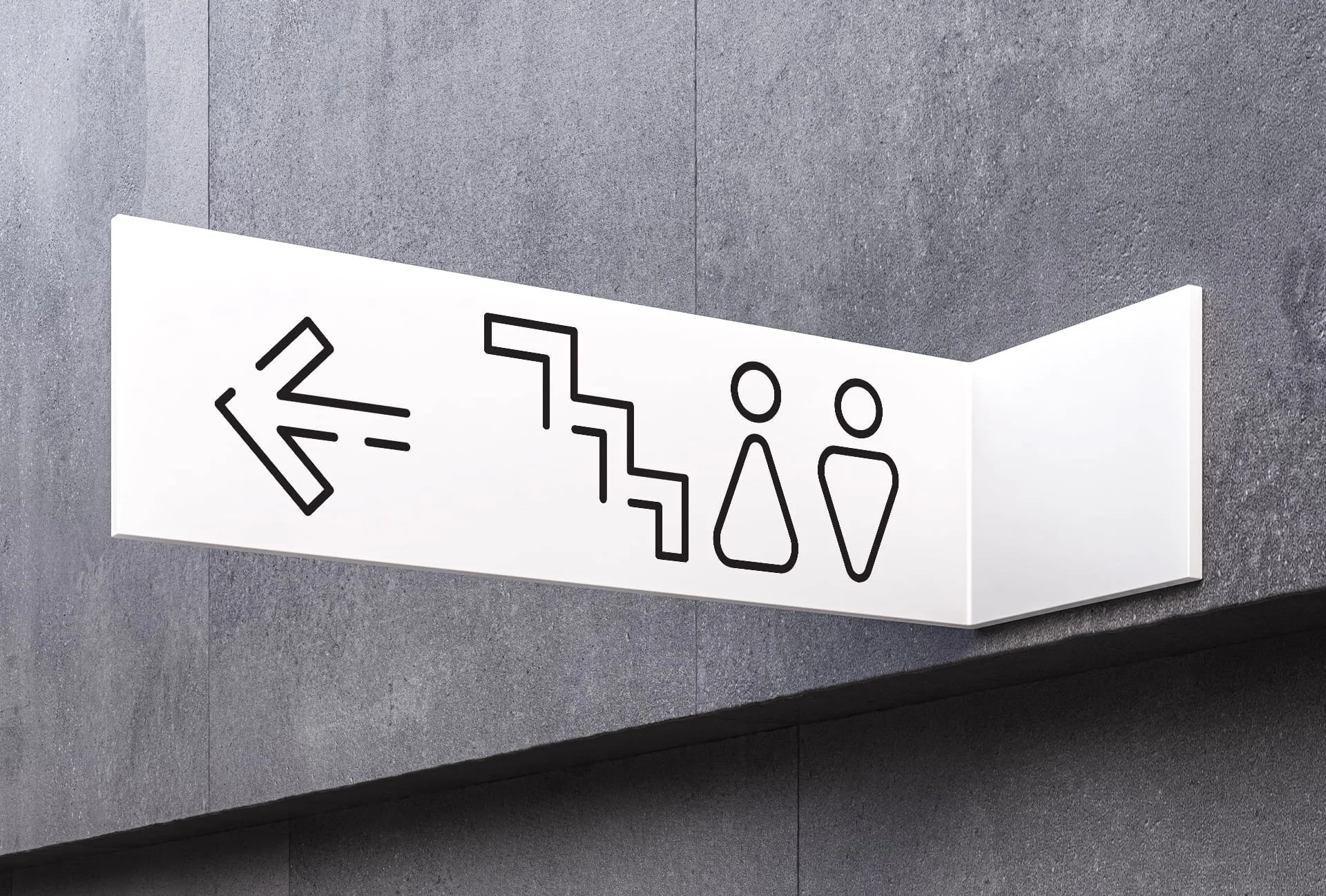
A flange sign is one of the cheapest projecting sign options. Made from a single piece of folded 2mm aluminium, typically powder-coated and printed on both sides. One end is bent at a 90-degree angle to create an integrated mounting bracket, which can be bolted directly into the wall.
Why choose it:
Slim, clean, and minimal
Economical solution
Suitable for tight or narrow spaces
Flange signs are excellent for smaller businesses, offices, and wayfinding applications where large signage isn’t necessary.
Bespoke Projecting Signs
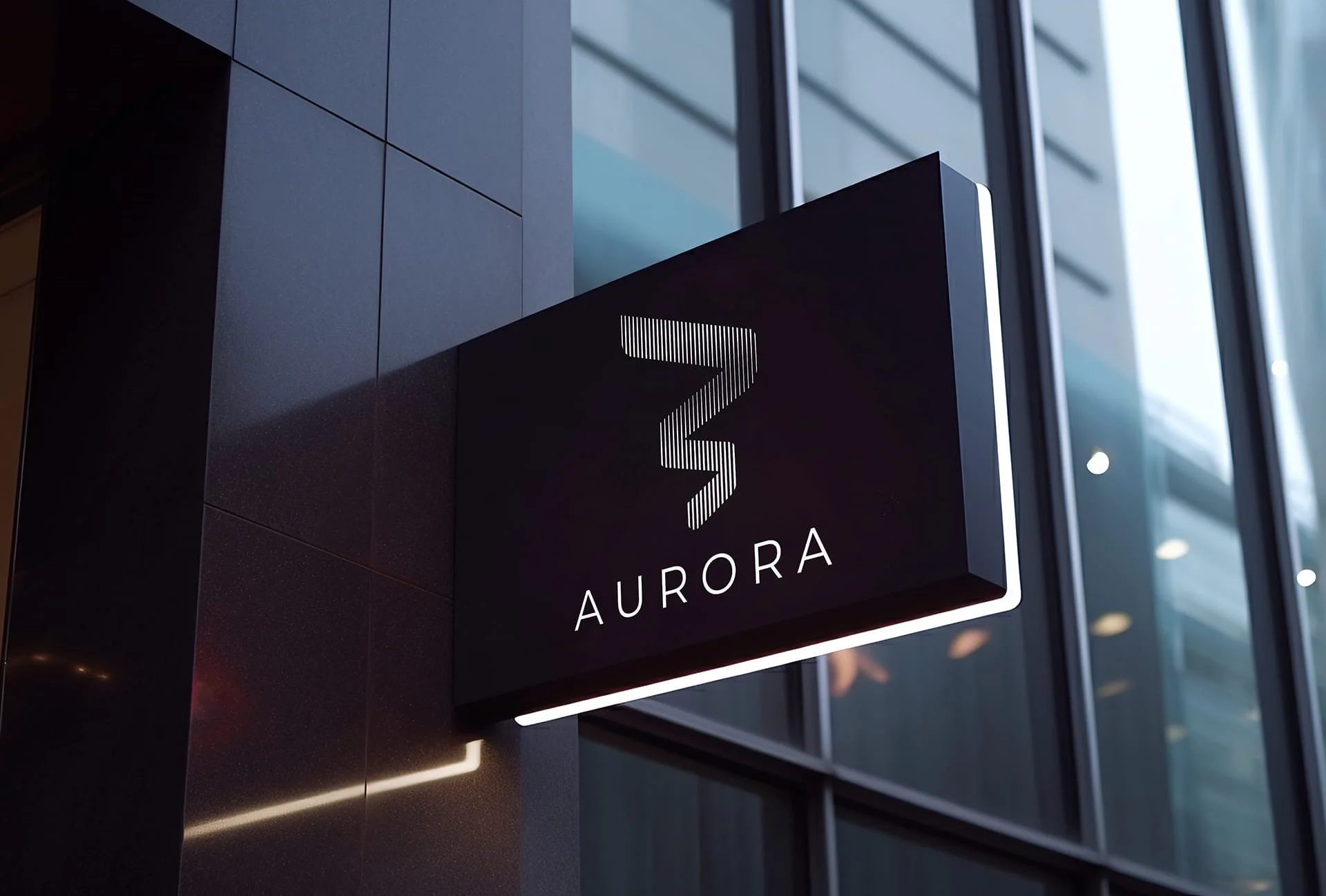
When a project requires something unique, bespoke projecting signs allow full flexibility in size, materials, lighting, shapes, and finishes. These are custom-designed from the ground up and can incorporate multiple elements including wood, metal, acrylic, LEDs, glass, and even moving parts. These signs are typically specified by design-led studios or brands with distinct visual identities.
Considerations When Choosing a Projecting Sign
Selecting the right sign isn’t just about aesthetics. There are several important factors to consider:
1. Location & Visibility
Will the sign be visible from the street and nearby footpaths?
Are there existing visual obstructions?
Is the space limited in terms of projection depth?
2. Branding & Aesthetic
Does your brand suit a modern or traditional look?
Would a tactile, handcrafted finish work better than sleek acrylic?
3. Illumination Needs
Will the sign be seen after sunset?
Are internal lighting options feasible?
4. Durability & Maintenance
Is the location exposed to weather?
Will graphics need frequent updating?
Do Projecting Signs Require Planning Permission?
In the UK, most projecting signs will fall under Advertisement Consent regulations. Planning permission is not always needed, but there are rules to follow under The Town and Country Planning (Control of Advertisements) (England) Regulations 2007.
Consent is typically required if:
The sign is illuminated
It is installed above 4.6 metres
The property is listed or within a conservation area
The sign exceeds 0.3 square metres
It’s important to consult your local authority or a signage professional who understands these nuances. Companies like Grafiscape can help you design and install signage with planning considerations built into the process from the start.
Which Projecting Sign Is Best for My Business?
This depends on several factors:
For a boutique or heritage shop: Hanging signs or wooden projecting signs preserve character.
For modern retailers: Tray signs or welded-frame panels provide a minimalist, yet professional look.
For restaurants or nightlife venues: Fret cut signs or illuminated boxes boost visibility at night.
For corporate or office use: Bespoke projecting tray signs deliver the contemporary look ideal for professional corporate environments
Bespoke options are also ideal for businesses that want to stand out with custom signage solutions, not available off the shelf.
Final Thoughts
Projecting signs are versatile, visible, and impactful. Choosing the right type comes down to understanding your brand, space, and goals. With options ranging from classic hanging signs to contemporary acrylic lightboxes, there is a solution for every business type and visual identity.
A well-designed projecting sign doesn’t just help people find you, it shapes first impressions and communicates what your brand stands for. Whether you opt for a cost-effective flange sign or a fully bespoke illuminated tray, working with experienced signage professionals ensures your investment performs visually and practically from day one.
Grafiscape specialises in designing, manufacturing, and installing all types of projecting signs, including bespoke solutions that meet planning and branding requirements across London and the UK.
