

Reeded and Fluted Films: Visual Effect vs Practical Performance
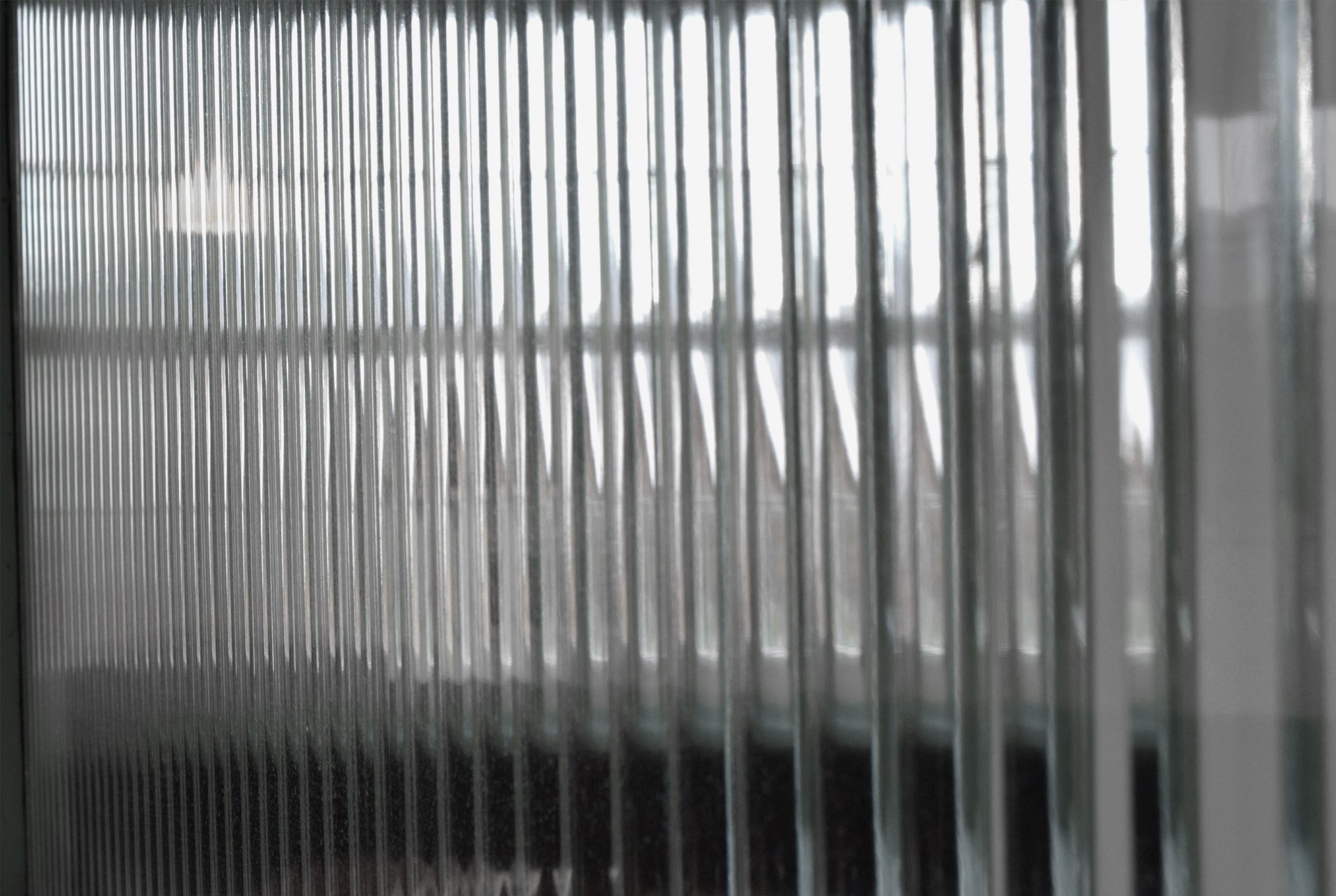
Reeded and fluted window films have gained popularity in recent years for their ability to mimic the look of textured glass while offering a cost-effective, removable, and non-permanent solution. Favoured by interior designers, architects, and branding specialists, these films are often used to add visual rhythm, privacy, and softness to glass partitions in offices, retail spaces, and hospitality interiors.
But while the aesthetic appeal of reeded and fluted films is obvious, how do they perform in real-world settings? This article explores both sides , the visual impact they offer and the practical performance considerations that clients, specifiers, and installers should be aware of.
What Are Reeded and Fluted Films?
These terms are often used interchangeably, but they both refer to vinyl or PET-based films with vertical embossed patterns that mimic the look of fluted or reeded glass. When applied to clear glazing, they create the illusion of depth and light diffusion similar to actual textured glass panels , but without the cost or permanence.
They are usually supplied in rolls, applied using water-based adhesives or pressure-sensitive backing, and can be removed or replaced without damaging the underlying glass.
The Visual Appeal: Why Designers Love Them
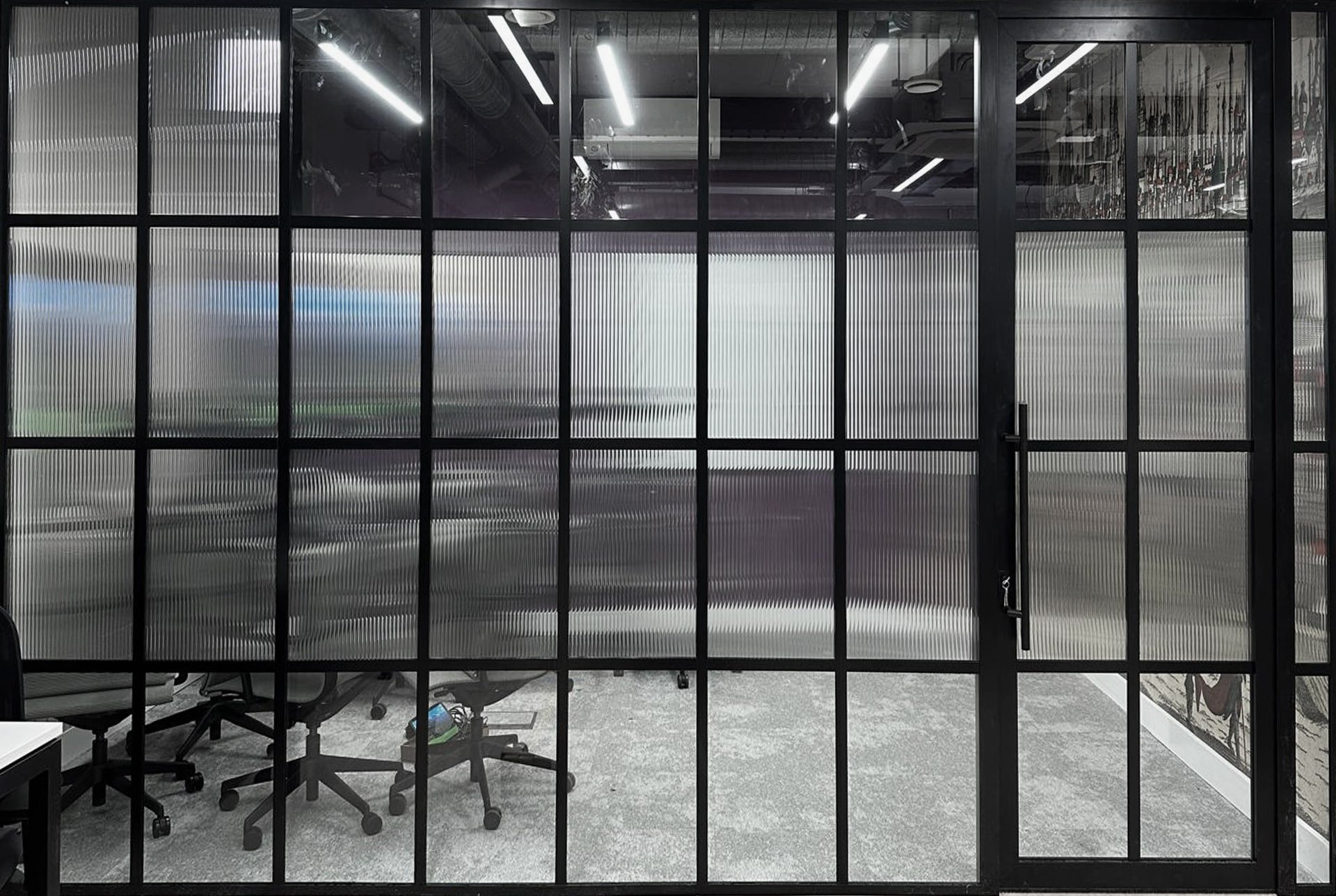
From an aesthetic point of view, reeded and fluted films offer an elegant middle ground between fully clear and fully frosted glass. The vertical ribbing creates a play of light and subtle distortion that provides privacy without complete opacity.
Key visual benefits include:
Modern finish: Their linear pattern gives a contemporary feel suitable for minimalist and luxury interiors
Light filtering: They diffuse daylight gently without darkening the space
Sense of texture: When viewed up close or under directional lighting, they simulate depth and materiality
In retail and hospitality, they’re often used to soften the transition between spaces or to give semi-privacy to lounges, washrooms, or treatment rooms. In office environments, they help break up open-plan areas while maintaining a visual connection.
Practical Performance Considerations
Despite their visual strengths, reeded and fluted films come with performance limitations worth considering before specifying them for high-traffic or mission-critical spaces.
1. Durability and Surface Vulnerability
These films are typically thinner than standard frosted vinyl and can scratch more easily
They may show marks or scuffs in busy environments such as corridors or doors
Some films lack a protective laminate, meaning regular cleaning can degrade the surface over time
2. Limited Privacy from Certain Angles
While they distort vision, they don’t fully block it
From side angles or with strong lighting behind the glass, visibility may increase
This makes them less suitable for confidential areas like meeting rooms or medical consultation spaces
3. Installation Challenges
The embossed surface requires precise alignment during application
Stretching or misalignment can ruin the vertical pattern, making errors highly visible
Some films can trap air more easily due to their ribbed profile, requiring skilled installation
4. Need for Precision in Measurement and Cutting
Reeded and fluted films must be pre-cut to exact dimensions before installation
On-site cutting is not recommended due to the risk of damaging the embossed texture and disrupting the pattern
Glass measurements, including any frames, mullions, or silicone joints, must be near-perfect to ensure a seamless fit
Employing an experienced installer such as Grafiscape ensures professional measurement, planning, and pre-cutting , eliminating common fitting issues and delivering a flawless result
Balancing Looks with Function
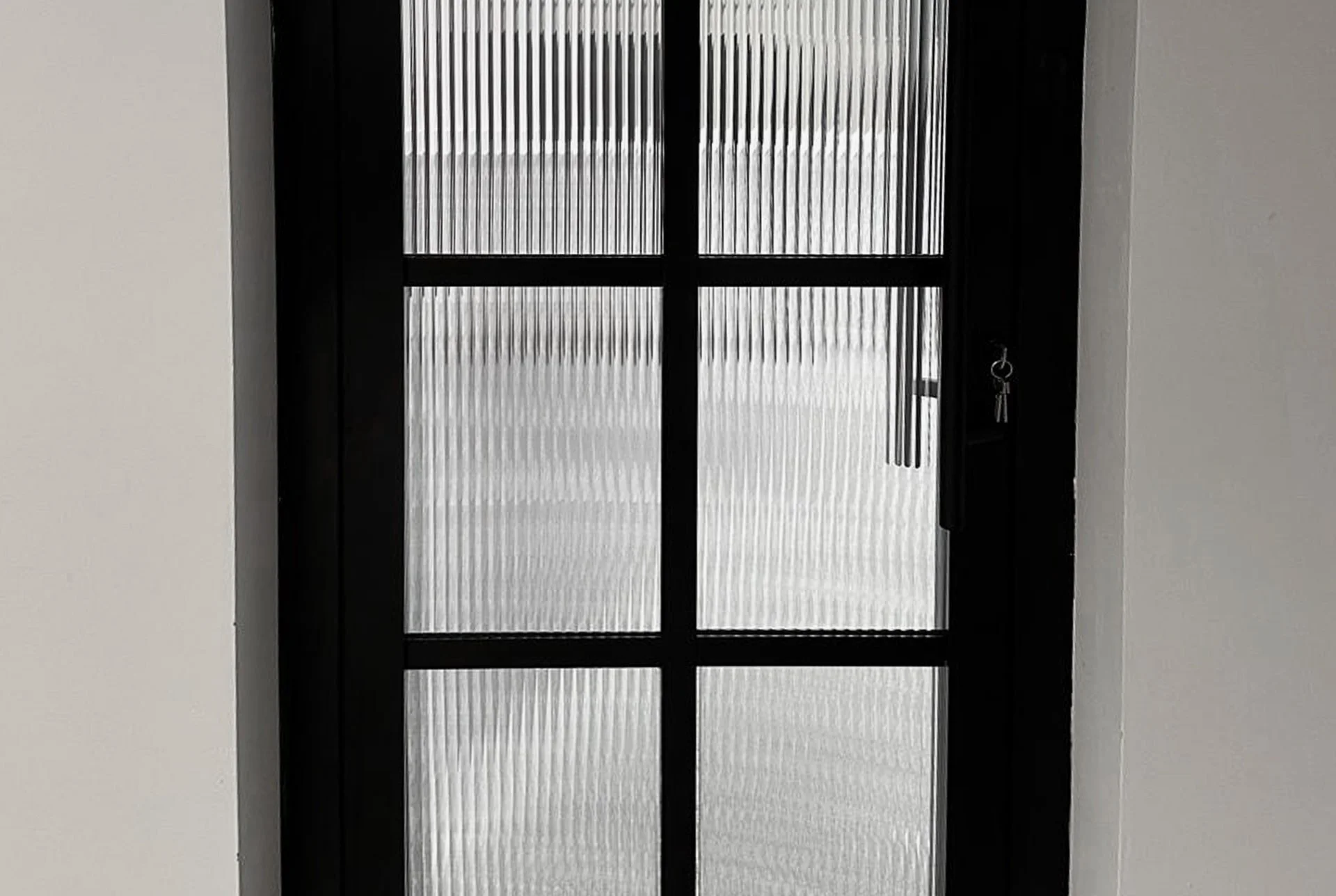
If the goal is to introduce subtle privacy and texture without the expense of structural glass replacement, these films can be a great solution. However, it’s important to match expectations to performance.
For example:
In boardrooms, consider combining fluted film with solid bands of frosted vinyl at eye level
In retail display zones, use fluted sections as a decorative element rather than a privacy solution
In corridors, consider applying them behind secondary glazing or using protective panels to preserve surface condition
Alternative Solutions and Combinations
Where reeded or fluted films fall short, combining them with other materials can improve performance:
Add solid frosting bands to improve privacy without sacrificing style
Use architectural panelling or slats in front of the glass to add real depth
Combine with vinyl lettering to enhance branding and reinforce structure
Edge framing can create cleaner terminations and improve durability at vulnerable edges
For long-term installations or higher-traffic areas, it may be better to opt for custom frosted glass, layered acrylics, or toughened fluted panels rather than relying solely on surface-applied films.
Summary
Reeded and fluted films are a powerful visual tool, offering modern texture, partial privacy, and a refined aesthetic for glazed surfaces. Their versatility makes them popular in branded interiors, offices, and commercial environments.
However, their success depends on careful application, maintenance, and setting the right expectations. For purely decorative or semi-private zones, they perform well. For high-demand spaces or where full privacy is essential, they are best used in combination with more robust materials.
At Grafiscape, we supply and install reeded and fluted films as part of larger interior branding packages, ensuring they are integrated properly into the wider scheme. With precise measurements and pre-cut application, we help eliminate installation errors and guarantee a professional, lasting finish.
