

Planning Permission for Illuminated Letters: Everything You Need to Know
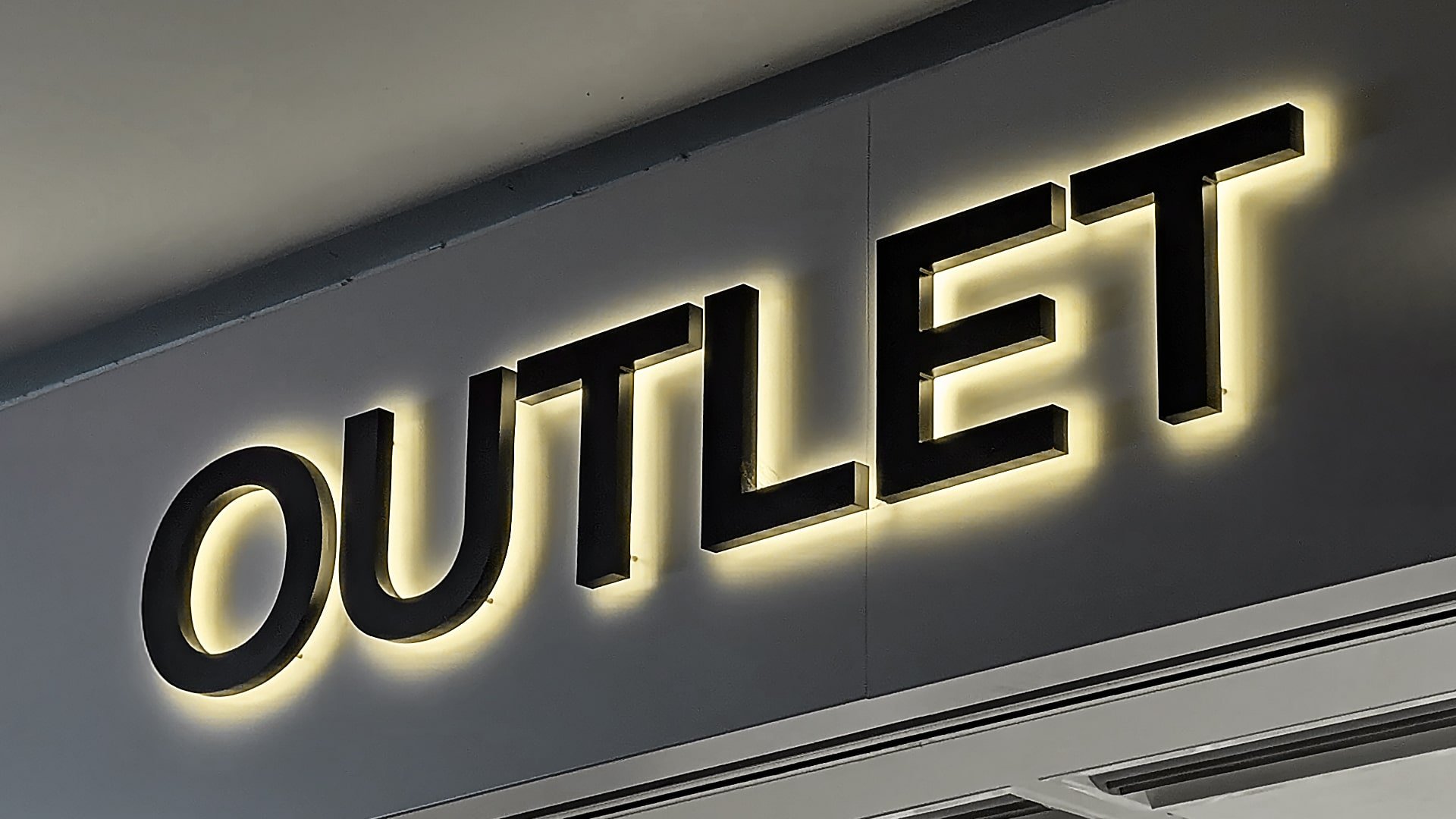
Illuminated signage can completely transform a building facade or interior, creating visual impact, enhancing brand visibility, and ensuring that your business is seen day and night. Among the most popular types are illuminated letters, whether face-lit, halo-lit, or push-through, offering a clean, modern aesthetic.
However, adding any form of illuminated signage to a property in the UK requires careful consideration from a planning perspective. While not all signs need full planning permission, most forms of external illuminated lettering will fall under advertising regulations and may require formal consent.
In this guide, we cover everything you need to know about the planning process for illuminated letters, based strictly on current UK regulations. This is not legal advice, but a comprehensive overview of how planning law relates to external signage, including when permission is required, what documents you’ll need, and how to increase your chances of approval.
The Basics: Planning vs Advertisement Consent
In the UK, illuminated signs generally fall under Advertisement Consent rather than standard Planning Permission. Advertisement Consent is governed by The Town and Country Planning (Control of Advertisements) (England) Regulations 2007.
Under this regulation, signs are assessed on the grounds of:
Amenity (how the sign affects the appearance of the area)
Public safety (whether it might cause distraction or obstruction)
However, if the sign is on a listed building or within a conservation area, additional permissions may be needed, and standard planning permission may also be required alongside advertisement consent.
When Is Advertisement Consent Required?
In general, external illuminated letters will need advertisement consent unless the illumination is minimal and meets very specific criteria.
Consent is typically required if:
The signage is illuminated externally or internally
The letters are mounted on a fascia visible to public areas
The building is in a conservation area
The sign exceeds a certain size (over 0.3m2)
The sign is above 4.6 metres from ground level
The signage is not part of a permitted development (e.g. temporary events, certain retail or industrial zones)
Types of Illumination Covered
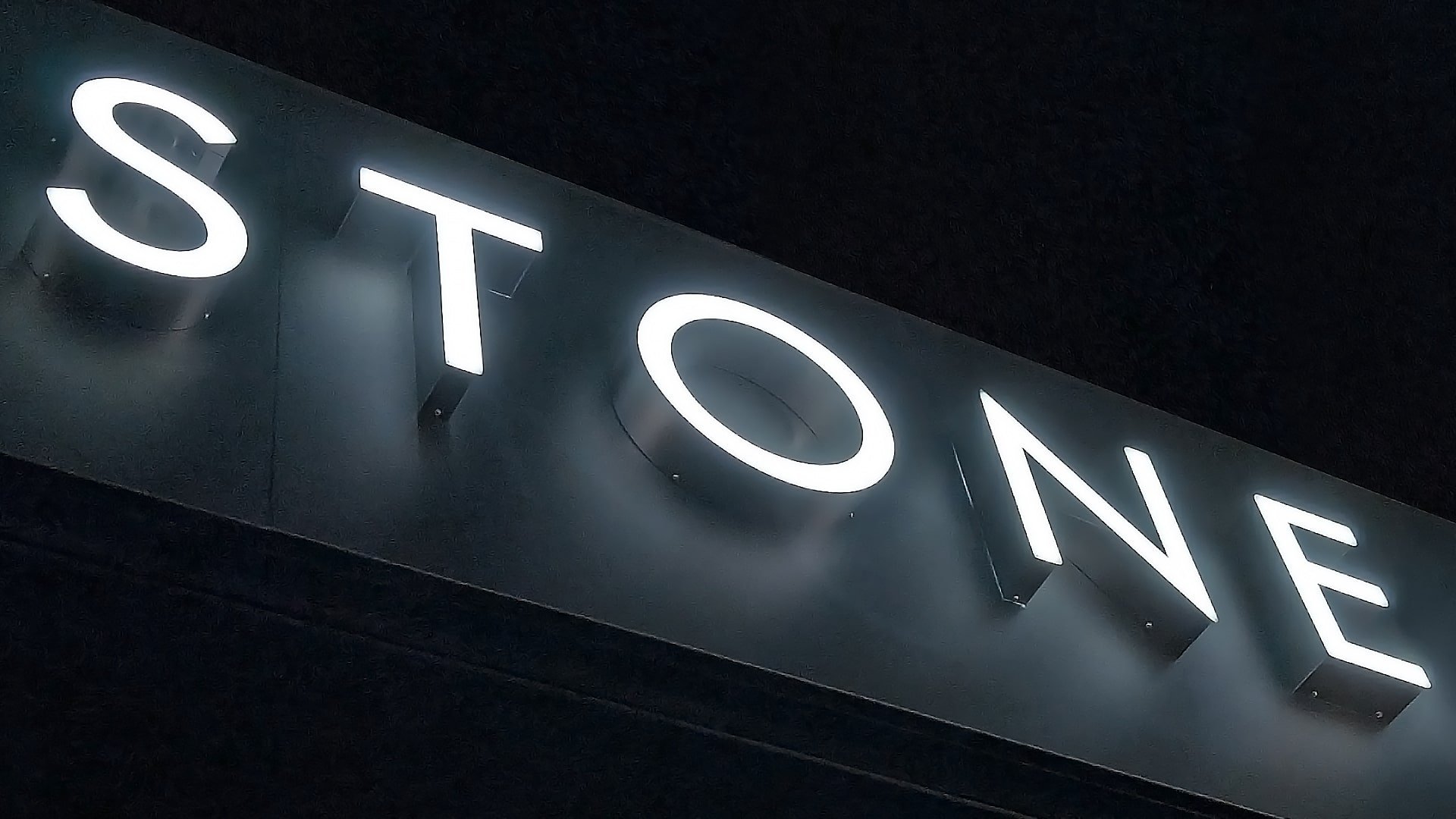
Advertisement consent applies whether your signage is:
Face-lit letters (where LEDs shine through the front of the letter)
Halo-lit letters (where light glows from behind)
Backlit trays or boxes with push-through lettering
Neon signage or LED-based faux neon
Even low-voltage or subtle LED lighting will still qualify as illuminated in the eyes of most planning authorities.
What About Non-Illuminated Letters?
Non-illuminated signage, such as built-up letters, cut vinyl, or stand-off mounted letters, may not require advertisement consent if they meet the following:
Do not exceed 0.3 square metres in area
Are not in a conservation area
Are installed below 4.6 metres from ground level
However, even non-illuminated signs may require consent if the property is listed, or if the signage significantly alters the appearance of the building. It’s always safest to check with the local planning authority.
Working with Listed Buildings or Conservation Areas
If the property is a listed building, you will need Listed Building Consent even for small or non-illuminated signage. Illuminated letters on listed buildings are subject to strict control and are less likely to be approved unless sympathetic to the building’s character.
In conservation areas, planning authorities will scrutinise applications more carefully, especially in terms of scale, brightness, materials, and visual harmony with the surrounding architecture.
How to Apply for Advertisement Consent
If you determine that your illuminated lettering requires consent, here’s what to expect:
1. Pre-application advice
Most councils offer pre-application services to help you understand local policies and increase your chance of approval.
2. Application submission
You will need to submit the following:
Scaled drawings of the proposed signage and its position on the building
Details of materials and method of illumination
Brightness (measured in candelas per square metre)
Operating hours for illumination (e.g. switch off after business hours)
Photographs of the existing site
3. Application fee
As of 2026, the standard application fee for advertisement consent in England is £132. This may vary slightly by region.
4. Review period
The local authority has eight weeks to decide on the application. They may approve, reject, or request modifications.
For a clear overview of how UK planning regulations apply to adverts and signs, including illuminated lettering, the Planning Portal provides guidance on when permission is required, how signs are assessed, and what exemptions might apply. This is a useful starting point for understanding the basics before submitting any formal applications.
What Planners Are Looking For
Your application will be assessed primarily on two grounds:
Amenity
Is the signage in keeping with the building?
Does the size, design, and brightness feel proportionate?
Will it impact the character of the street or neighbourhood?
Public Safety
Could the light distract drivers or obstruct sightlines?
Are there overhead cables or other hazards nearby?
Planners are also increasingly considering energy efficiency and light pollution, so it’s useful to demonstrate use of low-consumption LEDs and limited operating hours.
Reducing the Risk of Rejection
To improve your chances of approval:
Keep brightness within reasonable limits (under 600 candelas per square metre is generally safe)
Use timers or dusk-to-dawn sensors to control illumination
Match the materials and colour scheme to the building’s architecture
Avoid oversized lettering that dominates the facade
Minimising Impact on the Building

In situations where building alterations must be kept to an absolute minimum, illuminated letters can be designed to mount onto a single rail or raceway rather than being fixed individually to the facade.
This approach allows all wiring and fixings to be contained within one horizontal support, significantly reducing the number of penetrations into the building structure. It is particularly useful for:
Listed or sensitive buildings where surface damage must be limited
Properties with restricted access behind the fascia
Landlord-controlled premises where fixing points are tightly regulated
Installations where future removal or replacement may be required
The rail is typically finished to match the facade so it remains visually discreet, maintaining the appearance of individually mounted letters while simplifying installation.
From a planning perspective, this method can also support applications where planners or landlords are concerned about the level of physical intervention to the building. By reducing structural impact and keeping installation reversible, rail-mounted lettering offers a practical and sympathetic solution without compromising visual quality.
What Happens If You Don’t Apply?
Installing illuminated signage without the correct consent is a planning breach. Local authorities can issue enforcement notices, which may require removal of the signage at your own cost. In some cases, fines can also be imposed.
This can also create problems if you try to sell the property or secure further approvals later. Retrospective consent is possible but should not be relied on.
Temporary or Interior Signage

Illuminated signage placed inside a window may not need advertisement consent if it is not fixed to the exterior and doesn’t significantly alter the outward appearance of the building. However, if it appears to be a permanent or prominent part of the shopfront, local authorities may still treat it as external signage.
Similarly, temporary signage related to events, openings, or sales may be exempt for a short period (usually 28 days), provided it meets certain rules on size and placement.
Practical Advice for Designers and Fit-Out Teams
When designing signage for a project that includes illumination, it’s important to:
Involve planning considerations early, even at concept stage
Keep illumination discreet and sympathetic to surroundings
Work with signage professionals who understand planning guidelines
Consider backup non-illuminated options for areas where permission is unlikely
Many signage providers can prepare planning drawings and elevation visuals as part of their service, which simplifies the process.
Summary
Illuminated letters are an excellent signage solution but are subject to strict UK planning controls. In most cases, you will need advertisement consent, especially for external signs or anything in a conservation area.
By understanding what the regulations say, preparing your application with clarity, and designing signage that respects its surroundings, you can reduce the risk of refusal and ensure a smooth installation process.
While this article outlines the general rules across the UK, local planning authorities each have their own nuances. It is always advisable to consult your local council or a planning consultant if in doubt.
At Grafiscape, we design illuminated signage with planning in mind from day one. If you're unsure how to proceed or need support preparing visuals for submission, we can help guide your project toward a compliant and impactful result.
