

DDA Manifestations Explained: A Complete Guide to Glass Manifestation Compliance
Glass can be both a striking and practical material in modern architecture. From open-plan offices to retail frontages and commercial interiors, large expanses of frameless glass help create an airy, contemporary aesthetic. But while glass supports light and space, it also introduces a serious risk , especially when it's not immediately visible. That's where DDA-compliant glass manifestations come in.
In this article, we’ll explain what DDA manifestations are, what regulations apply, where they’re needed, and how to implement them in a way that is safe, compliant, and design-conscious.
What Is a DDA Manifestation?

A DDA manifestation refers to the visible markings applied to glazed doors, panels, and partitions to help prevent people from walking into them. These markings serve as visual indicators that make glass more detectable to everyone, especially individuals with visual impairments.
The term "DDA" comes from the Disability Discrimination Act 1995. Although the DDA has since been replaced by the Equality Act 2010, the term remains widely used within the construction, signage, and interior design industries when referring to compliant visibility markings on glass.
In short, DDA manifestations are an accessibility and safety requirement.
Why Glass Manifestations Are Important
Clear glass poses a risk in both public and private buildings. When partitions, doors, or entire walls are made from frameless glass, it becomes harder for people to detect boundaries. Accidents involving people walking into or through glass doors are more common than most realise.
For people with partial sight or vision loss, these risks are even greater. DDA-compliant manifestations act as a visual barrier and allow people to safely navigate spaces without confusion or injury. They're a legal safeguard, a design standard, and a best practice all in one.
What the Law Says: DDA and the Equality Act 2010
The original Disability Discrimination Act set out the requirement for public spaces and employers to make reasonable adjustments to avoid discriminating against disabled people. This included physical accessibility measures, such as glass manifestations.
The Equality Act 2010 replaced the DDA and consolidated various laws into one single Act. It continues to uphold the same principles: that spaces must be accessible, inclusive, and free from physical hazards that disadvantage people with disabilities.
While the Act itself doesn't specify technical detail, the requirements are supported and interpreted through:
Building Regulations Part M: Access to and Use of Buildings
Building Regulations Part K: Protection from Falling, Collision and Impact
BS 8300: Design of Buildings and Their Approaches for Disabled People
These documents collectively establish what compliance looks like in practice.
Key Compliance Requirements for Glass Manifestations
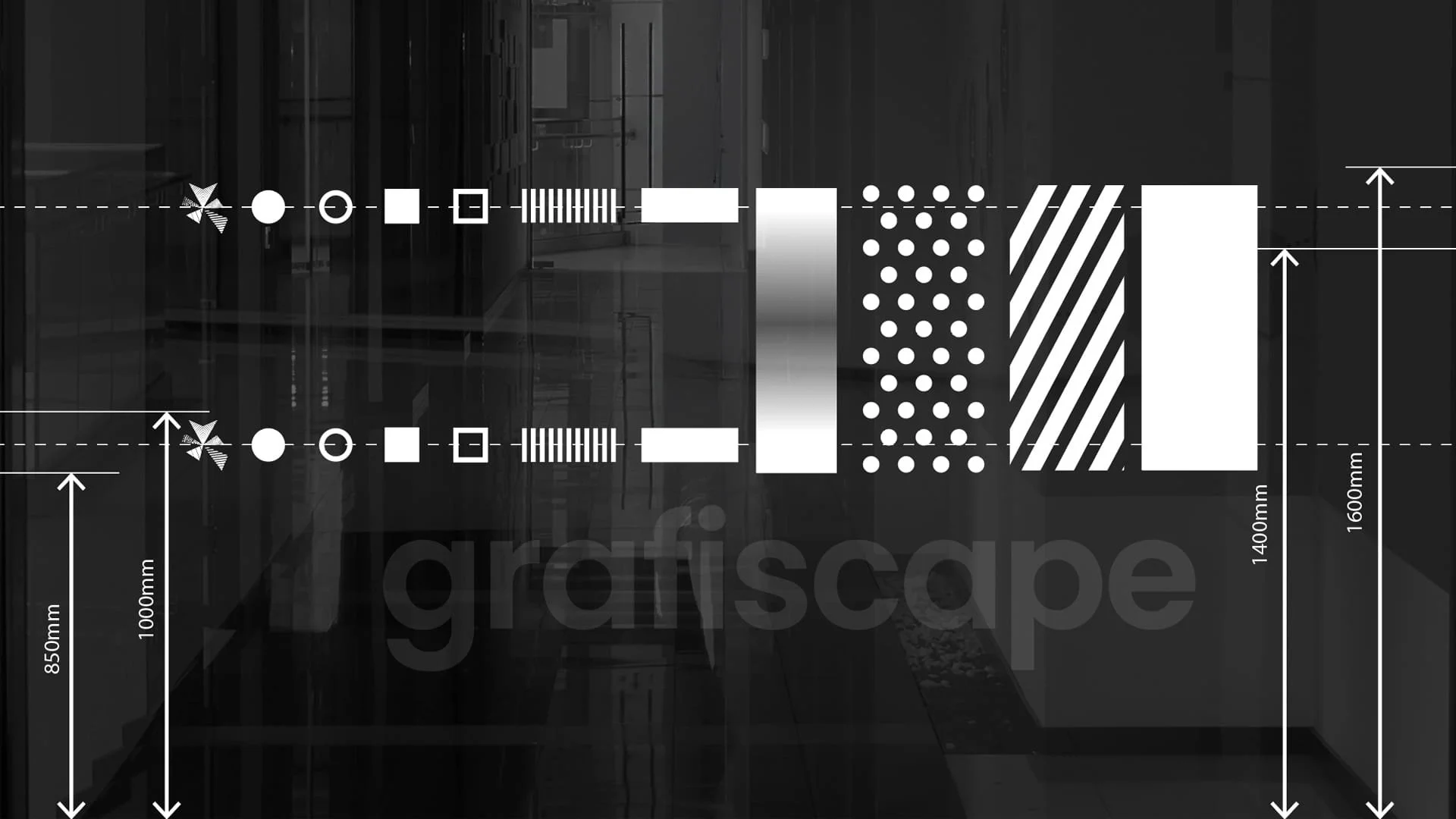
To meet legal and safety standards, glass manifestations must follow specific guidelines. These include:
1. Height Placement
Manifestations must be installed at two height bands from the finished floor level:
Between 850mm and 1000mm (lower band)
Between 1400mm and 1600mm (upper band)
Both bands must be visible across the entire glass surface, from edge to edge.
2. Visibility and Contrast
Manifestations must provide a clear visual contrast between the glass and surrounding environment. This ensures they remain visible in a variety of lighting conditions. Solid bands, frosted vinyls, or printed graphics are common options.
3. Durability and Permanence
Temporary stickers or markings are not acceptable for compliance. Manifestations must be a permanent feature that doesn't fade, peel, or wear away with use or cleaning.
4. Double-Sided Visibility
Markings must be visible from both sides of the glass, ensuring safety and guidance for people on either side.
5. Appropriate for the Setting
While creativity in design is allowed, the visibility and clarity of the manifestation should not be compromised. Logos, patterns, and graphics can be used if they meet the core visibility requirements.
Types of DDA-Compliant Manifestations
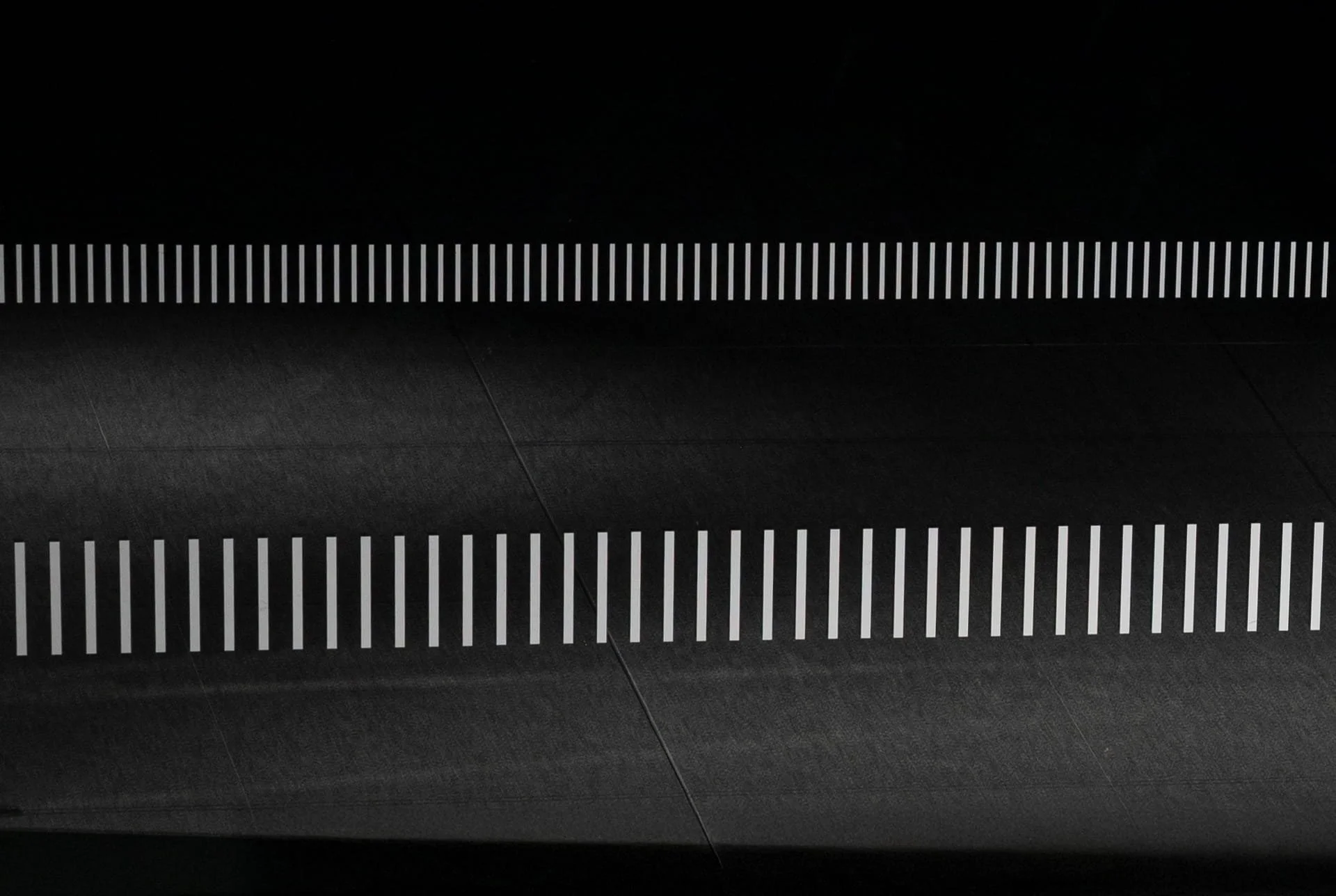
Manifestations don’t have to be boring. They can be functional and stylish at the same time. Common options include:
Frosted Dot or Square Patterns: Clean, minimal, and timeless. These are the most recognisable forms of compliant manifestation.
Solid Bands: Often used in corporate settings for added privacy, branding, or simplicity.
Custom Patterns or Graphics: Abstract designs, logo repeats, or branding elements that meet the height and contrast rules.
Printed Films: High-quality prints that combine brand aesthetics with safety.
When working with a specialist, you can choose a format that complements your interior while maintaining full compliance.
Where Manifestations Are Required
Glass manifestation is required in a variety of settings. Any location with large areas of transparent glass should be assessed for compliance:
Office partitions and meeting rooms
Reception lobbies with glazed entrances
Retail storefronts with full-height glass
Educational institutions
Healthcare and medical facilities
Government and public sector buildings
Hospitality and leisure spaces
Manifestation should be applied to any glazed element that a person could walk into if not marked.
Integrating Manifestations into Interior Design

Good design doesn't sacrifice safety , it integrates it. Manifestations can work hand in hand with your branding, architectural vision, and user experience.
Designers often use frosted or etched vinyl to create effects that feel deliberate and high-end. Bands and dots can be adapted to match colour palettes or echo elements of a logo. Custom manifestations allow for creativity while maintaining full visibility standards.
In some cases, manifestation is used to zone areas, create privacy, or support wayfinding. For example, using different patterns or density levels to indicate meeting rooms, breakout areas, or public vs private spaces.
Best Practices When Planning Manifestations
To get manifestation right, consider the following:
Audit your space: Walk through your environment with partial-sight visibility in mind.
Work with experienced providers: Choose suppliers familiar with DDA, Equality Act, and Building Reg requirements.
Prioritise contrast and durability: Choose materials and designs that will perform over time.
Factor in future changes: Ensure your manifestation system can evolve with any layout changes, refurbishments, or rebrands.
Frequently Asked Questions
Do all glass walls need manifestations?
If someone could walk into them, yes. The requirement applies to any transparent surface that presents a risk of collision.
Can I use my logo as the manifestation?
Yes, provided it appears at the correct height and offers sufficient contrast and coverage.
Can the manifestation be temporary?
No. Manifestations must be a permanent, durable part of the glazing.
Do glass doors need different treatment?
Doors must have a high-contrast edge, handles at compliant heights, and manifestation in line with adjacent panels.
Conclusion
DDA-compliant manifestations are essential for any space that uses large areas of glass. More than just a tick-box requirement, they prevent accidents, support inclusivity, and allow businesses to demonstrate care and professionalism.
With the right approach, manifestation can be functional, attractive, and fully integrated into your interior design. Whether you're fitting out a new office, upgrading a retail environment, or reworking a public space, ensuring glass visibility should be a core part of your project planning.
At Grafiscape, we supply and install fully compliant DDA glass manifestations using frosted vinyl, custom graphics, and branded solutions tailored to your layout. We help you meet all legal standards while keeping design integrity intact.
Contact us to arrange a site survey or learn more about our compliant glass solutions.
