

Interior Branding: What It Is and Why It Matters for Modern Workspaces
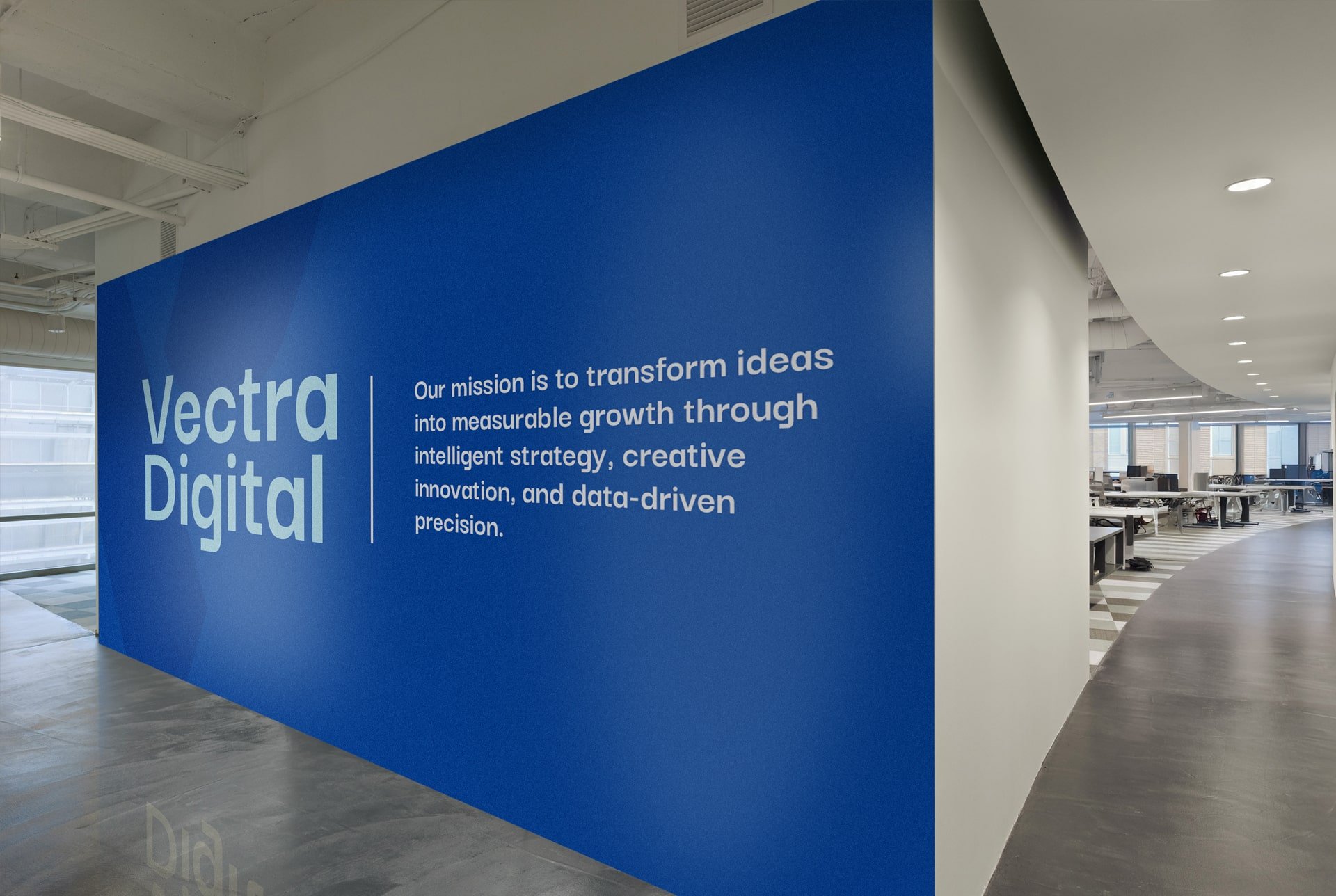
Interior branding is the use of physical space to communicate what a company is and how it operates.
It goes beyond logos or signage. It is how layout, materials, colour, lighting, and graphics work together to express identity in a way people can experience directly.
A workspace without branding is functional. A branded workspace communicates something before a conversation begins.
At Grafiscape, interior branding is treated as a system that shapes how a business is perceived, not a visual layer added after design.
A Clear Definition of Interior Branding
Interior branding is brand strategy made visible in the environment people move through every day.
It is the difference between a space that looks complete and one that feels aligned.
A consistent workspace reflects the same identity across every element, not just visually, but in how it is organised and used. When this is done correctly, the space becomes part of the brand itself.
What Interior Branding Includes
Interior branding is not a single feature. It is a combination of elements working together:
layout and spatial planning
materials and surface finishes
colour application
lighting and atmosphere
signage and environmental graphics
wayfinding and navigation
furniture and detailing
Individually, these elements are standard parts of interior design. Combined with intent, they form a consistent brand experience.
For example, a sustainability-led company may use natural materials and controlled lighting to reflect efficiency and responsibility. A technology-focused business may prioritise clean lines, contrast, and open layouts to signal precision and innovation.
The difference is not the elements themselves. It is how they are aligned.
Why Interior Branding Matters in Modern Offices
The role of the office has changed.
It is no longer just a place for work. It is a space where clients form first impressions, where teams spend extended time, and where company culture becomes visible.
Interior branding turns the office into a signal.
For visitors, it communicates professionalism, clarity, and intent. For employees, it reinforces identity and creates a sense of connection to the business. For both, it creates consistency between what the company says and what it shows.
This is where branding becomes practical rather than theoretical.
The Business Impact of a Branded Workspace
Interior branding affects more than perception.
A well-structured workspace can support recruitment by presenting a clear, considered environment. It can strengthen internal culture by aligning space with behaviour. It can also differentiate a business in competitive industries where many companies offer similar services.
Inconsistent environments do the opposite. They create friction between brand messaging and actual experience.
This is often where businesses lose impact without realising it.
How Interior Branding Shapes Experience
A branded workspace influences how people move, where they focus, and how they interact.
Open layouts can encourage visibility and collaboration. Defined zones can create structure and control. Material choices can affect how formal or relaxed a space feels.
These are not aesthetic decisions alone. They directly affect how the brand is experienced on a daily basis.
When space, behaviour, and identity align, the result is consistent. When they do not, the environment feels disconnected.
Where Interior Branding Often Falls Short
Most issues come from treating branding as decoration.
Logos are applied without considering layout. Brand colours are used without structure. Graphics are installed without connection to the rest of the environment.
A common example is a reception area that is fully branded, while the rest of the office remains neutral and unaligned. The first impression is strong, but the experience does not carry through.
Another is overuse. Applying branding everywhere reduces impact and creates visual noise rather than clarity.
The issue is not the elements. It is the lack of a system behind them.
What Defines a Well-Branded Office
A well-branded workspace is consistent, controlled, and intentional.
It uses stronger branding where impact is needed and restraint where focus is required. It aligns materials, colour, and graphics with the identity of the business. It ensures that movement through the space reinforces the same message at every stage.
This does not require complexity. It requires structure.
From Office Design to Brand Experience
Interior branding shifts the role of the office.
Instead of being a background environment, it becomes part of how the business communicates. It supports how the company is perceived, how teams operate, and how clients experience the brand.
At Grafiscape, interior branding is planned alongside signage, graphics, and spatial layout to ensure that every element works together.
If you are planning an office fit-out or workspace redesign and need clarity on how to translate your brand into the space, Grafiscape can define a clear interior branding approach before design begins. Get in touch to structure your workspace as a consistent brand experience.
