
Common Issues with Using AI-Generated Images for Large Format Printing & Signage
AI-generated imagery has transformed how we approach visual content. From concept art to marketing assets, platforms like Midjourney, DALL·E, and Stable Diffusion offer near-instant outputs with stunning aesthetics. For many, this feels like a revolution in design , one that allows creatives and businesses to produce visuals quickly, cost-effectively, and without the need for traditional photography or illustration.
But when it comes to large-format applications like wall graphics, reality often tells a different story. What looks sharp and impressive on a screen can fall apart when scaled up for production. Below, we break down why AI-generated images are often not the best choice for printed wall graphics, what goes wrong in practice, and how to approach these challenges without compromising visual impact.
The Problem with AI Imagery and Real-World Output
AI tools are trained on huge datasets of visual information, generating images by predicting pixel patterns that form a cohesive, often beautiful picture. But the process isn’t perfect. Unlike traditional design or photography, AI-generated images do not begin from a fixed resolution or file structure , they are assembled in a predictive, interpretive way that lacks the structural integrity needed for print.
This becomes especially problematic in print formats where size, sharpness, and detail are crucial. Wall graphics, by their nature, need to be both large and precise. Any blur, distortion, or inconsistency becomes extremely visible when viewed up close or from certain angles.
Detail That Doesn’t Hold Up
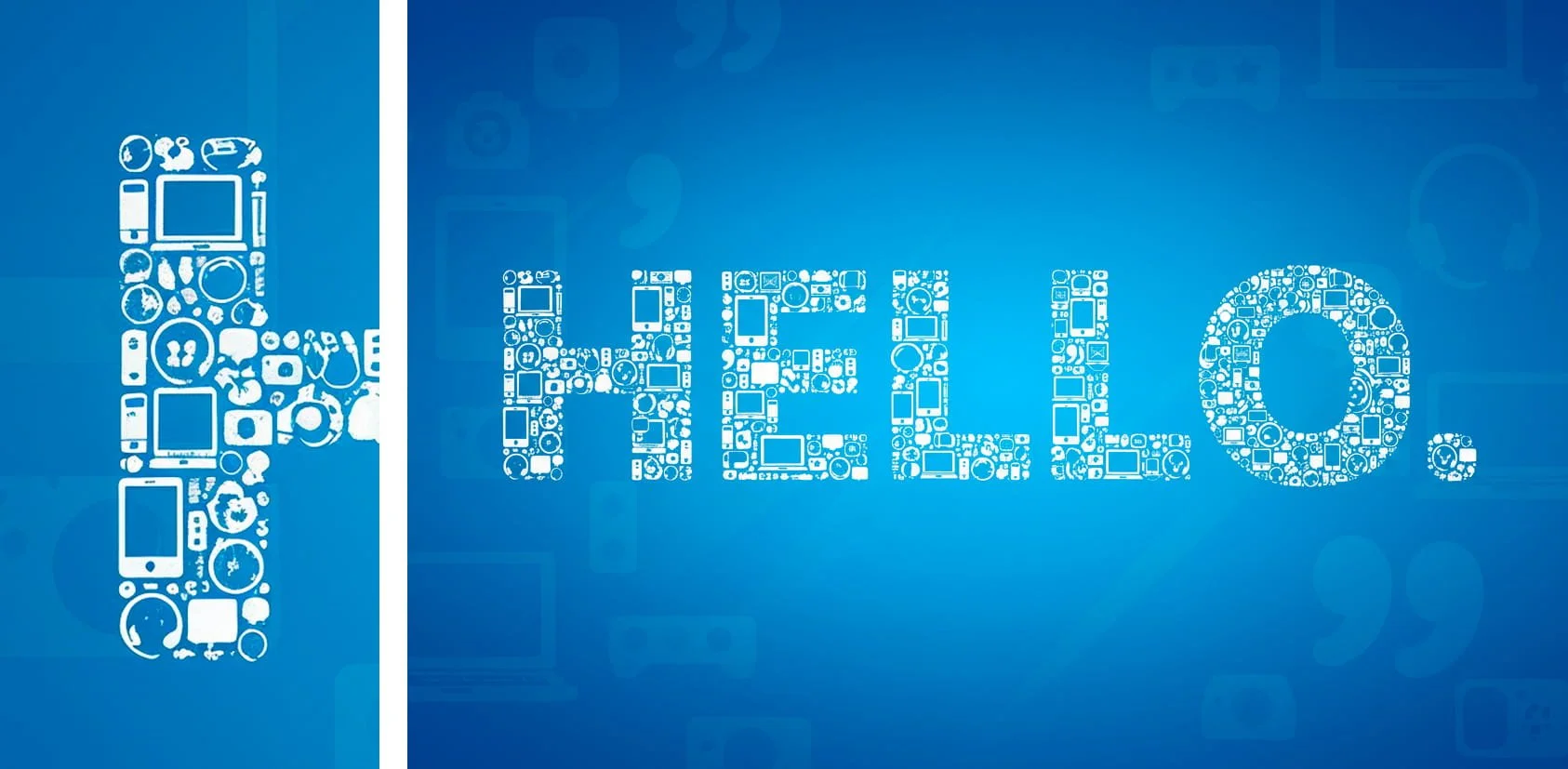
Many AI-generated visuals rely on implied detail rather than actual pixel-perfect rendering. They look impressive at small sizes or on mobile screens, but once scaled beyond a certain point, the shortcuts become obvious.
Common detail-related issues include:
Soft edges or artefacts where the model has guessed textures instead of rendering them
Abstracted objects that look fine from a distance but fall apart up close (e.g. hands, faces, architecture)
Unnatural gradients or smudging that appear painterly or synthetic under scrutiny
This lack of resolution becomes an issue not only in wall graphics but also in frosted vinyl, etched finishes, and modular panels that require crisp linework and consistent patterning.
The Upscaling Dilemma
Most AI-generated images are produced at standard resolutions suitable for digital use , typically 1024x1024px to 4096x4096px. For a wall graphic that spans several metres, that’s simply not enough. Upscaling tools can help, but they introduce their own problems.
Upscaling AI-generated imagery can lead to:
Loss of texture integrity, especially in organic materials or skin tones
Exaggeration of artefacts, making the image look unnatural or synthetic
Inconsistent detail levels, where some parts of the image are crisp and others are muddy
Some platforms offer built-in upscalers or allow you to generate higher resolution variants, but the issue remains , these tools still fabricate detail where none existed, which becomes obvious when printed.
Misleading Lighting and Perspective
Another issue lies in the internal logic of AI-generated scenes. Lighting, shadows, and perspective often look convincing at first glance, but they rarely follow the consistent physics needed for real-world application.
This matters more than it seems. A wall graphic that casts unnatural light can conflict with the actual lighting in a room, making the space feel visually uncomfortable or unbalanced. Similarly, warped perspectives can ruin the illusion of depth or create tension within the environment.
In settings like showrooms, offices, and branded retail spaces, these subtle inconsistencies can cheapen the look of the space rather than elevating it.
Content That Can’t Be Edited Easily
AI-generated images are not built in layers. Unlike a Photoshop composition or an Illustrator file, there’s no editable structure , everything is baked into a flat raster image. If the layout needs adjusting, or if branding elements need to be added later, it’s not always possible without extensive retouching or recreating the image from scratch.
This inflexibility can make last-minute changes difficult, especially in projects that involve multiple stakeholders, shifting brand guidelines, or rapid rollout timelines.
Licensing and Originality
Even if an image is technically printable, the question of ownership and licensing looms. AI-generated content might not be legally protected in the same way traditional works are. Depending on the tool used and the jurisdiction, you may not fully own the rights to commercialise or resell the image.
For printed graphics that will be on display in public or commercial settings, this can expose your business to risk. It’s especially problematic for client-facing projects or long-term brand installations.
Bulletproof Applications Demand Real Design
Wall graphics are not just visual content , they are physical installations. That means they need to perform across multiple criteria:
Crispness and clarity from up close
Legibility of type and icons
Integration with architectural features (panels, corners, doors)
Long-term durability and colour consistency
AI-generated images may serve as inspiration, but they rarely check all these boxes without intervention. That's where real design tools and production experience become essential.
Better Alternatives for Wall Graphics
Rather than relying solely on AI imagery, consider more production-ready approaches:
Use AI for moodboards and concept visuals, then recreate final artworks in vector or high-resolution photography
Collaborate with a designer who can take the AI reference and build a printable, editable artwork from scratch
Source stock imagery at high resolution from reputable libraries, with clear licensing paths for commercial use
When AI Works Well , and When It Doesn’t
It’s not all bad. AI-generated images can work when:
The graphic will be viewed from a distance (e.g. abstract wall sections)
The brief calls for painterly or abstract textures with no critical details
The output is being used in concept stage or temporary promotional materials
They don’t work well when:
The wall will be seen close-up (receptions, corridors, seating areas)
The image includes fine lettering, faces, or recognisable objects
Branding consistency and colour accuracy are critical
Final Thoughts on Getting It Right
AI-generated imagery is an exciting tool, but it has limits , especially when translated into physical graphics. Detail inconsistencies, upscaling issues, editing limitations, and aesthetic contradictions all become magnified at scale.
At Grafiscape, we’ve tested AI imagery extensively and understand where it fits , and where it doesn’t. When clients want to push creative boundaries without compromising on quality, we build custom workflows that combine AI inspiration with expert design and production to deliver real-world results.
If you're planning a wall graphic and considering AI as part of your concept, get in touch. We’ll help you translate the idea into something tangible, functional, and built to last.
