

Office Interior Branding Guide: How to Translate Your Brand Into Physical Space
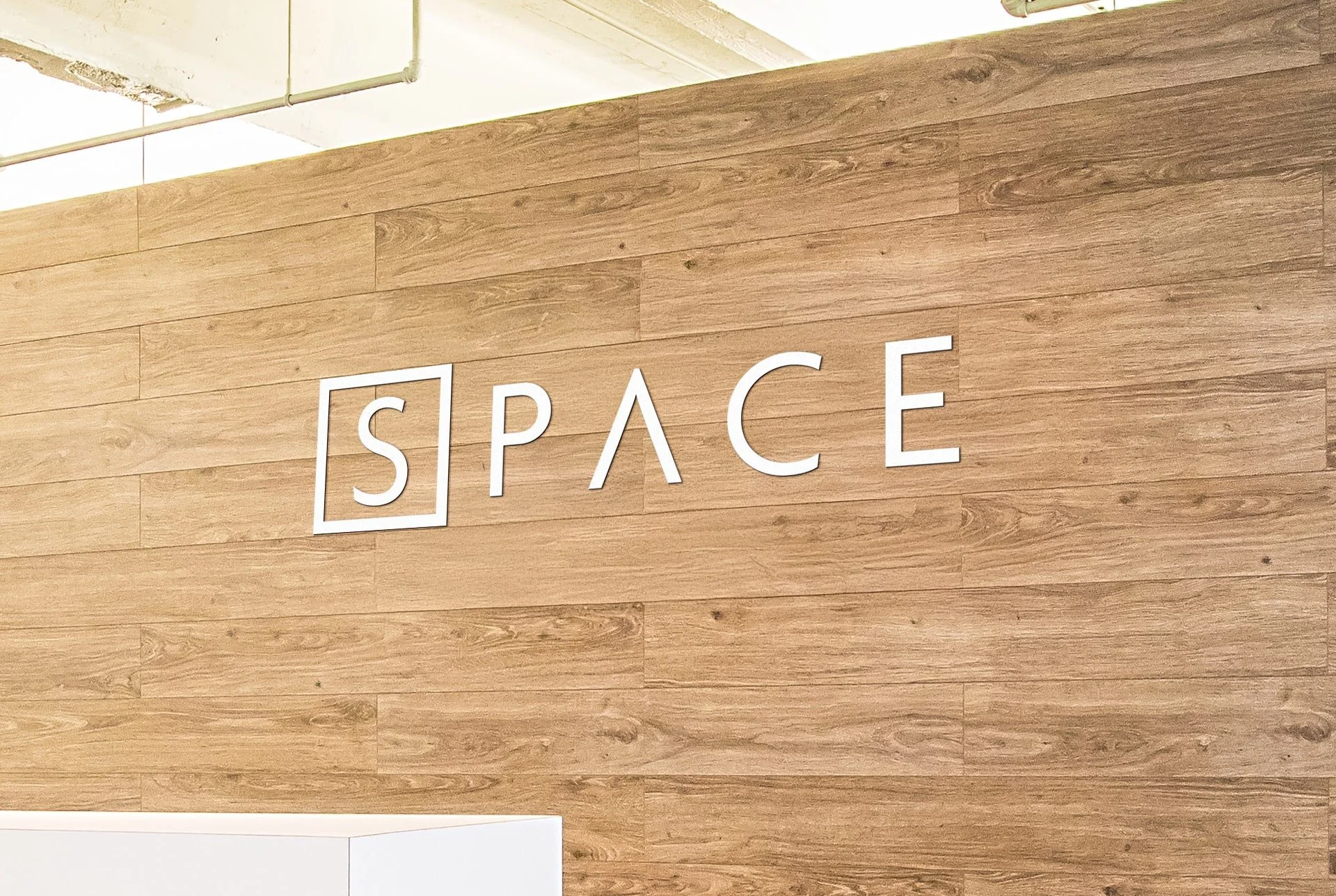
Office interior branding is the process of turning your brand from something people see into something they experience.
It is not limited to logos or colour application. It is about how space, materials, layout, and lighting work together to communicate what your business stands for.
The difference between a branded office and a decorated one is intent. One reflects a defined identity. The other applies visual elements without structure.
At Grafiscape, interior branding is approached as a spatial system, not a graphic layer applied at the end.
Start With What the Space Needs to Say
Every branded office begins with a clear narrative.
This is not a slogan. It is a set of values that should be visible in how the space feels and functions. Whether the business is positioned around precision, innovation, calm, or energy, those qualities need to translate into physical decisions.
A space built around innovation may lean into contrast, lighting variation, and open visibility. A space built around trust may rely on consistency, clarity, and controlled material use.
Without this step, design decisions become aesthetic rather than intentional.
Using Colour as a Spatial Tool
Colour in office branding is often over-applied or under-considered.
A brand palette is not meant to be used at full strength across an entire space. It needs to be distributed based on how different areas are used.
High-energy zones, such as collaboration spaces or breakout areas, can carry stronger colour presence. This supports movement, interaction, and visual stimulation.
Focused work areas require the opposite. Muted tones, controlled contrast, and visual restraint support concentration and reduce fatigue.
The objective is not to show the brand everywhere. It is to apply it where it has the right effect.
Signage and Graphics as Structural Elements
Signage and environmental graphics are often treated as decorative additions. In a well-branded office, they are structural.
Typography, wall graphics, and logo applications define how people navigate and interpret the space. They reinforce identity at key moments rather than repeating it indiscriminately.
A reception logo wall creates first impression. Wayfinding signage controls movement. Wall graphics can communicate culture, milestones, or messaging.
Consistency is critical. Fonts, proportions, and visual style must align with existing brand guidelines. Any variation weakens recognition rather than strengthening it.
At Grafiscape, signage is integrated into the design phase, not retrofitted after completion.
Materials and Furniture Define Character
Materials carry as much meaning as graphics.
A workspace using glass, metal, and sharp edges communicates something very different from one using timber, textiles, and softer finishes.
These decisions should reflect brand character. A technology-focused company may prioritise precision and contrast. A sustainability-led brand may lean into natural materials and texture.
Furniture plays the same role. Branded environments often use subtle alignment rather than overt logos, colour-coordinated finishes, consistent detailing, and controlled repetition.
This is where spaces either feel considered or generic.
Layout, Flow, and Behaviour
Interior branding is not only visual. It is behavioural.
How people move through a space, where they stop, and how they interact all contribute to how the brand is experienced.
An open layout with glass partitions communicates transparency. Clearly defined zones with shared areas encourage interaction. Quiet, enclosed spaces signal focus and control.
These are not design trends. They are physical expressions of company culture.
If the layout contradicts the stated values of the business, the space becomes inconsistent.
Applying Branding at Different Levels
Branding should not be applied evenly across the entire office. It needs to scale based on function.
Reception areas carry the highest level of visual impact. This is where identity is established quickly and clearly, often through feature walls, controlled lighting, and premium finishes.
Collaborative zones can carry more energy. Stronger colours, large-format graphics, and writable surfaces support interaction and movement.
Work areas should be more restrained. Subtle references to the brand, controlled palettes, and consistent detailing create a stable working environment.
The strength of branding is not in repetition. It is in placement.
Where Office Branding Often Fails
Most issues come from treating branding as surface-level decoration.
A common example is applying logos throughout a space without considering layout, material, or lighting. The result is visual noise rather than clarity.
Another is overusing brand colours, turning the environment into a uniform block rather than a structured experience. This reduces usability and can impact productivity.
In other cases, branding is only applied in reception areas, leaving the rest of the office disconnected and generic.
The issue is not the elements themselves. It is the lack of integration between them.
What Gets Reviewed Before Design Begins
Before any office branding is implemented, a structured review defines how the space should perform:
how the brand values translate into spatial decisions
where high-impact branding is required and where restraint is needed
how colour is distributed across different zones
how signage supports navigation and identity
how materials and finishes align with brand character
At Grafiscape, this is established before design work begins, ensuring that every decision supports a consistent outcome.
Turning an Office Into a Branded Environment
A well-branded office does not rely on individual features. It works as a complete system.
When space, graphics, materials, and layout align, the result is consistent. Clients understand the business before a conversation begins. Staff operate within an environment that reflects how the company thinks and works.
This is where interior branding moves from visual to functional.
If you are planning an office fit-out or rebrand and need clarity on how to translate your brand into the space, Grafiscape can structure the entire environment before design begins. Get in touch to define how your office should actually work as a brand.
